
Nail Supply
Unlock the Secret: Can I Use Builder Gel as Base Coat?
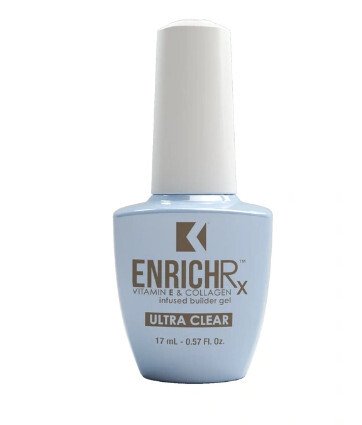
Aug
You’re all set to offer flawless manicures, but you might be asking, can I use builder gel as base coat to streamline your process? A solid foundation prevents lifting and chipping, so it’s worth weighing your options before skipping a dedicated base layer.
Understanding base coat purpose
The role of foundation layers
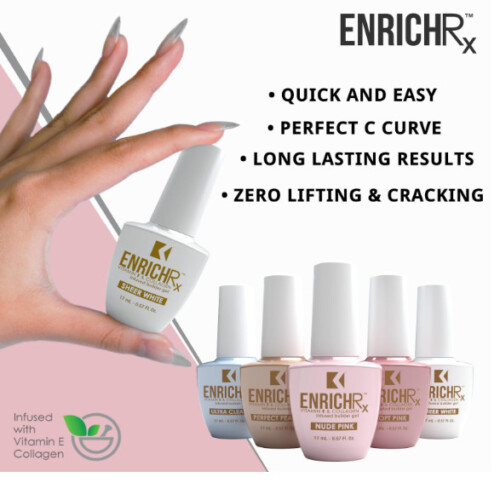
A base coat bonds directly to the natural nail, seals the surface, and gives color or sculpting layers something to adhere to. Without it you risk early lifting, sticky residue and uneven finishes.
Key traits of a strong base
- Good adhesion (sticks firmly without peeling)
- Flexibility (moves with the nail to avoid cracks)
- Even coverage (no thin spots)
- Compatibility with color and builder gels
Comparing builder gel vs rubber base
Composition and consistency
Builder gel (see what is builder gel) tends to be thicker and more viscous than rubber base gel (see what is rubber base gel). That extra body lets you sculpt arches and length, while rubber base flows more easily into nail imperfections.
Adhesion and flexibility
Rubber base gels usually include elastic polymers that flex with the nail, reducing breakage. Builder gels cure into a rigid structure that adds strength but can feel stiff if you apply it too thickly. For a deeper dive, check rubber base gel vs builder gel.
Applying builder gel base
Prep steps
- Gently buff the nail plate to remove shine.
- Dehydrate with an alcohol wipe (no oils or lotions).
- Apply a thin, even primer if your system recommends it.
Application technique
- Use a small bead of builder gel at the cuticle.
- Push it into place and gently brush toward the free edge.
- Keep layers thin (about 0.5 mm) to ensure even curing.
Curing process
Most builder gels cure in 30–60 seconds under a 36W–48W LED lamp. Follow your manufacturer’s instructions to avoid under- or over-curing (which can cause lifting or brittleness).
Weighing the benefits and drawbacks
| Benefit | Drawback |
|---|---|
| Combines base and structure in one step | Harder to self-level if applied too thick |
| Adds significant strength | May require extra filing for a smooth finish |
| Reduces number of product layers | Removal can take longer than standard base gels |
Pros and cons summary:
- Pros: structural support, time-saving, fewer bottles in your kit
- Cons: more challenging to apply thinly, potential for dome shape
Making the right choice
If you want sculpting plus base adhesion in a single step, builder gel can pull double duty. But if you need maximum flexibility and smear-free color application, a dedicated rubber base coat may serve you better. For side-by-side details, see rubber base coat vs builder gel. Good news, you can test on one nail before updating your full service menu.
Next steps
- Try applying builder gel as your base on a practice hand.
- Wear it for a few days and note any lifting or cracking.
- Compare results to your usual rubber base finish.
You’ll know quickly which foundation fits your style and client needs.
Frequently asked questions
Can I use builder gel on natural nails?
Yes, as long as you prep the nail properly (buff, dehydrate and use a primer if needed). Thin layers cure best and bond securely.
Is builder gel the same as rubber base?
No, they differ in formula and flexibility. For a detailed breakdown, see is builder gel the same as rubber base?
What is the difference between rubber base gel and builder gel?
Rubber base gels flow more easily and flex with the nail plate, while builder gels offer thicker, sculpting consistency. Learn more at difference between rubber base gel and builder gel?.
Can builder gel replace a regular base gel?
In many systems it can, especially if you choose a formula designed for both foundation and build. Compare options at builder gel vs base gel.
How do I remove builder gel used as a base coat?
File the top layer gently to break the seal. Soak a cotton pad in acetone, wrap it around the nail and wait 10–15 minutes. Push off softened gel with an orange stick and finish with a light buff.