
Hair Color
What are the top 5 most common hair colors?
Nov
Hair Color Basics
When it comes to hair color, you have endless ways to express your style and personality. But if you’re looking for a shade with universal appeal, it helps to know which hair colors top the popularity charts. In this ultimate guide you’ll explore the five most common natural hair colors, learn what drives each shade, and discover how to choose and maintain the perfect tone for you. Explore more of our hair color resources for deeper tips and product recommendations.
Eumelanin And Pheomelanin
Your natural hair color is determined by two pigments produced in the hair follicle. Eumelanin delivers brown to black shades, while pheomelanin gives red to golden tones. The ratio and concentration of these pigments create the spectrum of natural hues you see around you.
Undertones And Modifiers
Beyond pigment, subtle undertones—from ash to warm gold—alter how a shade reads in different lights. Genetics, age and even seasonal sun exposure can shift your undertone over time, so you may notice your natural tone evolving.
Understanding Hair Color Fundamentals at Camila's Beauty Supply
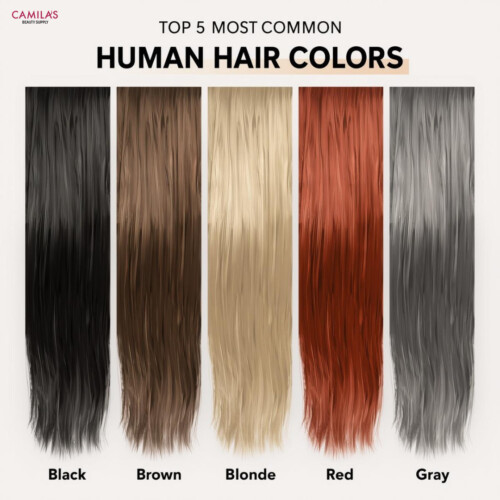
Black hair is the most widespread natural hair color worldwide, dominant across Asia, Africa and parts of Latin America. Its depth ranges from soft off-black with cool ash undertones to jet black with blue highlights. You’ll find it shines under direct light and frames your face with striking contrast.
- Ideal if you want a bold, polished look
- Pairs well with rich makeup or minimalist styling
- Requires minimal maintenance to preserve depth
Brown Hair Basics
Brown hair offers the broadest range of natural variation, from light chestnut to deep chocolate. It’s the second most common hair color and suits nearly every skin tone. Neutral browns act as a perfect canvas for balayage or subtle highlights.
- Universally flattering and low-maintenance
- Great base for warm copper or cool ash highlights
- Touch-up frequency depends on the contrast of your roots
Blonde Hair Basics
True natural blonde is relatively rare, found mostly in Northern Europe. Shades span from pale platinum to honey blonde. If you’re a natural blonde, you’ll notice cooler tones in childhood often shift toward warmer, gilded hues over time.
- Requires regular toning to avoid brassiness
- Complements soft pastel or vivid fashion colors
- UV protection preserves shine and prevents yellowing
Red Hair Basics
Red is the rarest natural hair color, making up around one to two percent of the global population. It ranges from bright copper and fiery orange to deep auburn. Red hair often carries warm golden or cool mahogany undertones.
- Demands gentle care to lock in pigment
- Looks stunning against fair or freckled skin
- Enhances earth-tone wardrobes and neutral makeup
Gray Hair Basics
Graying happens when pigment production slows, leaving strands translucent or white. Natural gray appears in your 30s or 40s for many—but you can embrace silver or salt-and-pepper tones at any age. Gray hair has a cool, modern edge and suits both minimalist and bold looks.
- Requires purple shampoos to neutralize yellow
- Embrace oxidative permanent dyes for coverage
- Coordinate with eyewear and wardrobe contrast
Choosing Your Color
Picking a new shade is more than a style choice, it’s a personal statement. Use these steps to find your ideal tone.
Assess Skin Undertones
Determine whether your skin leans warm, cool or neutral by checking veins on your wrist or how jewelry complements your complexion.
Select Complementary Shades
Warm undertones pair with golden browns, copper reds and honey blondes. Cool undertones shine with ash browns, icy blondes and blue-based blacks.
Consult A Professional
A skilled colorist will refine your vision, recommend formulas and map out maintenance. Bring inspiration photos and be ready to discuss your daily styling routine.
Comparing Color Types
Once you know your target shade, choose the right product category for lasting results.
Permanent Hair Color Options
If you want full gray coverage and a dramatic tone shift, opt for permanent hair dyes. Salerm Professional’s permanent line penetrates deep with oxidant and alkali chemistry for durable, true-to-tone results (Salerm).
Demi-Permanent Hair Color Options
To refresh tone without a major commitment, demi-permanent formulas deposit color on the cuticle—no high lift, no harsh chemicals. Blust On PRO’s Fast Action system cuts processing time by 70 percent, letting you achieve vibrant results in about 10 minutes (Blust On).
Lightening Powder Options
For highlights, balayage or full lightening, choose an ammonia-free, vegan lift powder. Blust On’s lighteners lift up to nine tones while respecting hair structure, and you can control your lift for custom dimension (Blust On).
Maintaining Your Color
To keep your new hair color looking fresh, build a care routine around gentle, color-safe products and smart habits.
Use Color-Safe Products
Replace your regular shampoo with a pH-balanced, residue-neutralizing wash. Keyra Hair Care’s pH Acid Shampoo and immediate-action mask help lock in pigment and strengthen fibers (Keyra Colors).
Refresh Tone And Shine
In between salon visits, use tone-refreshing masks or drops designed for your hue. A weekly treatment keeps brass at bay and revives shine.
Reduce Damage Risks
Limit heat styling and always apply a thermal protectant. Wear UV-protective hats or sprays when you’re outdoors for long periods.
Next Steps For Your Hair
- Identify which of the five common hair colors best suits your style and undertone.
- Choose permanent, demi-permanent or lightening options based on the depth and commitment you want.
- Invest in a tailored maintenance routine with color-safe shampoos, masks and occasional tone refreshers.
You’re now equipped to select, apply and maintain the perfect hair color with confidence. Ready for more inspiration? Visit our hair color hub and dive into product reviews, step-by-step tutorials and trend forecasts.