
Hair Product
Do you wash your hair after conditioner?
Jan
You’ve probably asked yourself whether conditioner or shampoo first is the right order for your hair wash routine. In Miami’s warm, humid climate you want every step to count—whether you’re combating frizz or keeping curls defined. In this guide you’ll learn how each method works, when to switch things up, and how to pick products that boost shine and manageability.
Hair wash sequence

Conventional shampoo first
Most stylists recommend you start with shampoo to strip away oil, product buildup, and any debris from your scalp. By cleansing first you create a clean slate so your conditioner can penetrate each strand more effectively.
Reverse conditioner first
Also called “reverse washing,” this method flips the script. You apply conditioner before shampoo to add slip, detangle gently, and give fine or oily hair a moisture boost without weighing roots down. You then rinse and follow with shampoo to remove excess product.
Benefits of reverse washing
Adds moisture where needed
When you condition first, that slip helps distribute hydration evenly from mid-lengths to ends. If you regularly use a conditioner for dry hair, reverse washing ensures those richer formulas coat every strand before you rinse.
Protects fragile strands
Detangling with conditioner up front reduces breakage. The slippery layer cushions hair during your wash, especially if you have textured or color-treated locks that need extra care.
Following traditional method
Step 1 shampoo
- Wet your hair thoroughly under lukewarm water.
- Squeeze a quarter-sized amount of shampoo, such as one formulated for your needs (for example, a shampoo for oily hair at the roots).
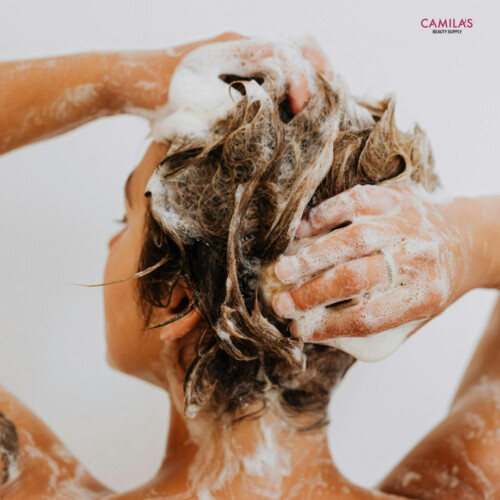
- Massage your scalp in circular motions to boost circulation and lift buildup.
Step 2 conditioner
- Rinse out the shampoo completely.
- Apply conditioner from mid-length to ends—avoid the scalp to prevent greasiness.
- Leave it on for 1–3 minutes to allow cuticle smoothing, then rinse with cool water to seal the hair shaft.
Choosing the right products
Match shampoo to concerns
Pick a formula designed for your hair type—whether you need volume, color protection, or gentle cleansing. Check out our picks for the best shampoo and conditioner for hair to find options that suit everything from fine strands to heavy curls.
Select compatible conditioner
Conditioners vary by weight and ingredients. If you love lightweight hydration, look for silicones or panthenol. For deep nourishment, choose ones with oils and proteins. Exploring the best shampoo and conditioner brand can help you pair products that work in harmony.
Pro tips for wash day
Water temperature matters
Hot water opens the cuticle but can strip moisture, while cold water seals and boosts shine. Start warm, finish cool.
Timing and application
Apply conditioner when your hair is still dripping. Use a wide-tooth comb or your fingers to ensure even coverage and reduce tangles.
Optimal Hair Washing Techniques at Camila's Beauty Supply
- Should I rinse out conditioner completely?
Yes, you want to remove excess slip so styling products can adhere and your hair doesn’t look greasy. A thorough rinse with cool water seals the cuticle for added shine. - Can I switch between methods regularly?
Absolutely. If your hair feels weighed down after a week of shampoo-first, try reverse washing once or twice to rebalance hydration and volume. - Will reverse washing make my roots oily?
Only if you leave conditioner too close to the scalp. Focus on mid-lengths and ends, and use a lightweight formula to prevent buildup. - How often should I deep-condition?
Aim for once a week if you use reverse washing or have color-treated hair. Otherwise every two weeks works well to maintain moisture without overloading. - What’s the best way to dry hair post-wash?
Gently blot with a microfiber towel or cotton T-shirt, avoid rough rubbing. Follow with a leave-in spray or lightweight oil before air-drying or diffusing on low heat.
Choose the sequence that feels right for your hair texture and lifestyle. Whether you stick with the classic shampoo-first routine or experiment with conditioner-first, you’ll finish each wash with smoother, healthier-looking strands.