
Hair Product
Can hair grow back after thinning?

Feb
Understanding hair thinning
You might be wondering if hair regrowth after thinning is really possible, especially when you see more strands in your brush than on your head. The good news is that with the right care, lifestyle tweaks, and professional support, you can revive thinning hair and encourage new growth. Let’s walk through what happens when hair thins, why it happens, and how you can support healthy regrowth.
Explore root causes
Before you invest in products and treatments, dig into what’s driving your thinning hair. Common factors include genetics, hormonal shifts, nutrient deficiencies, scalp health issues, and styling damage.
- Genetics and hormones: Female pattern hair loss often arises from inherited sensitivity to hormones.
- Nutritional gaps: Low iron, zinc, vitamin D, or biotin levels can slow your growth cycle.
- Scalp conditions: Dandruff or inflammation can clog follicles.
- Mechanical stress: Tight styles, heat tools, and harsh washes weaken strands over time.
For a deeper dive into what triggers hair loss in women, see our guide on female hair thinning and causes of thinning hair.
Choose targeted haircare
Using the right shampoo, conditioner, and treatment is your first line of defense. Brands like Salerm, Alfaparf Milano, Truss Professional, Salon-in Recamier, and Tree Liss offer salon-grade formulas designed to stimulate follicles, strengthen strands, and protect your scalp.
Select the right shampoo
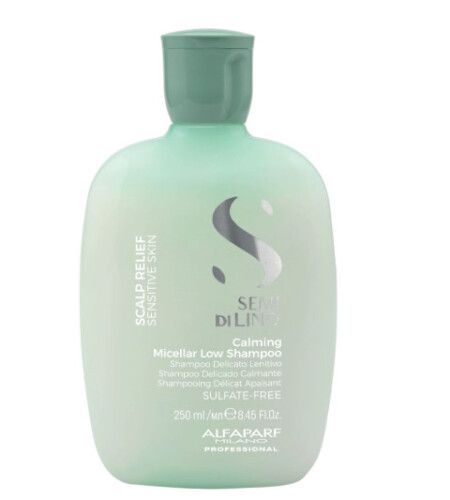
Opt for gentle, growth-focused cleansers that remove buildup without stripping moisture.
- Salerm 21 regenerating shampoo
- Alfaparf Milano Semi di Lino Reconstruction Shampoo
- Truss Professional Phytoil Energizing Shampoo
- Salon-in Recamier Fortificante Shampoo
- Tree Liss Therapy Restorative Shampoo
Condition for strength
Lock in hydration and fortify weak sections with protein-rich conditioners.
- Salerm 21 reconstructive conditioner
- Semi di Lino Reconstruction Conditioner by Alfaparf Milano
- Truss Professional Phytoil Energizing Conditioner
- Salon-in Recamier Fortificante Conditioner
- Tree Liss Therapy Moisture Conditioner
Apply intensive treatments

Use concentrated formulas a few times a week to boost your routine.
- Salerm 21 intensive treatment serum
- Semi di Lino Healing Hair Mask from Alfaparf Milano
- Truss Professional Hair Growth Tonic
- Salon-in Recamier Fortificante Hair Booster Ampoules
- Tree Liss Keratin Repair Treatment
For more product ideas, check our picks for the best shampoo for hair loss and other hair thickening solutions.
Support growth with diet
What you eat directly affects your hair’s ability to grow back. Focus on whole foods rich in key nutrients.
Prioritize key nutrients
- Protein: Hair is made of keratin, so lean meats, beans, and eggs help.
- Iron: Spinach, lentils, and red meat prevent deficiency that stalls growth.
- Zinc and selenium: Nuts, seeds, and whole grains support scalp health.
- Vitamins A, C, D, and biotin: Bright fruits, fatty fish, sunlight exposure, and fortified cereals feed your follicles.
Try supplements
If your diet falls short, consider targeted supplements for thinning hair. Look for formulas that combine multiple vitamins, minerals, and botanical extracts to cover all bases.
Consider professional options
When at-home measures aren’t enough, medical and in-office treatments can accelerate your results.
Topical treatments
- Minoxidil: The most widely studied over-the-counter option to boost follicle activity.
- Growth-factor serums: Protein-rich formulas that nourish roots directly.
In-office procedures
- Platelet-rich plasma (PRP): Your own plasma, rich in growth factors, is injected into your scalp.
- Low-level laser therapy (LLLT): Devices like laser caps stimulate circulation and cell activity.
- Microneedling: Tiny needles create micro-injuries that trigger natural repair and regeneration.
For tips on how to stop hair loss and when to seek medical advice, see our guide on medical causes of hair loss.
Track your regrowth
Consistency matters. Measure your progress with photos, gentle pull tests, and notes on how much new growth you see.
Set realistic timelines
Hair grows about half an inch per month on average, so expect to see noticeable improvements in 3 to 6 months with a dedicated routine.
Monitor progress
- Monthly photos: Compare crown and part width.
- Density checks: Count strands in a 1-inch section.
- Scalp health: Note reductions in flakiness, itchiness, or sensitivity.
By following this structured approach—combining targeted haircare, nutrition, professional support, and consistent tracking—you’ll give yourself the best chance at lasting hair regrowth after thinning.
Frequently asked questions
- How long does hair regrowth after thinning take?
You’ll often see new baby hairs within 3 months, but full regrowth can take 6 to 12 months depending on your cycle and the methods you use. - Can natural remedies really help?
Certain botanical extracts, like rosemary oil or caffeine serums, have shown promise, but they work best alongside proven treatments. - Will diet alone reverse thinning hair?
Diet is crucial, but on its own it rarely restores lost hair. Pair nutrition with targeted haircare and, if needed, professional therapies. - Is Minoxidil safe for women?
Yes, when used as directed it’s FDA-approved for female pattern hair loss. You may experience mild scalp irritation, so start with a lower strength. - How do I avoid common mistakes?
Don’t overwash, skip harsh chemicals, avoid tight styles, and don’t expect overnight fixes. Learn more about hair thinning mistakes and build a routine that fits your life.