
Hair Product
What are the main causes of thinning hair?
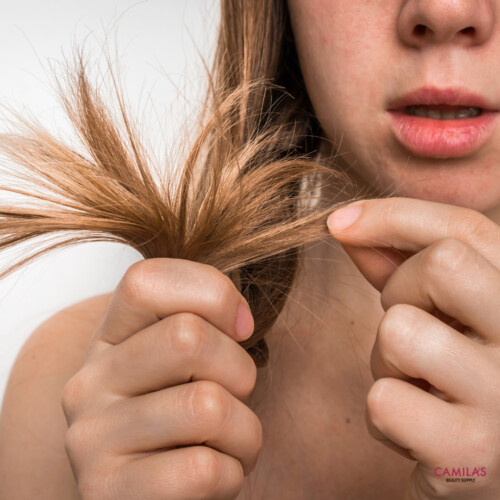
Feb
Understand thinning hair
Thinning hair can feel like a mystery, but understanding the causes of thinning hair is your first step to stronger strands. When you know what’s at play—whether it’s hormones, nutrition, lifestyle, or medical issues—you can tailor your routine and choose the right products to support growth.
Identify hormonal factors
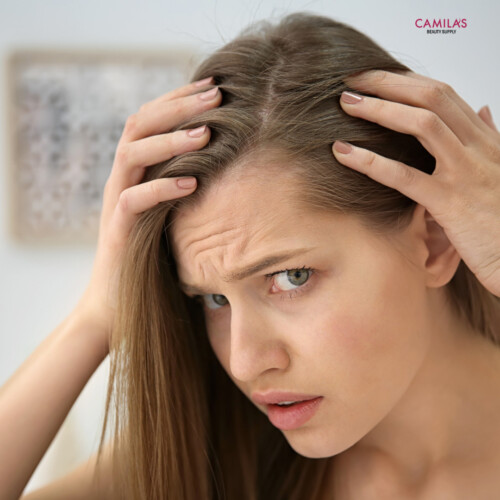
Androgenic alopecia
You may be experiencing female pattern hair loss if your part is widening or your crown looks sparse. This form of hair thinning stems from sensitivity to dihydrotestosterone, or DHT, which shortens the growth phase of hair follicles.
Thyroid imbalances
Both hyperthyroidism and hypothyroidism can slow or stop hair growth. If you notice diffuse thinning across your scalp, ask your doctor for thyroid function tests. Balancing your thyroid hormones often restores natural growth.
Spot nutritional deficiencies
Iron and protein gaps
Low iron levels can starve hair follicles of oxygen, causing strands to shed. You might also be lacking protein, the building block of hair. Talk to your healthcare provider about checking ferritin and total protein markers. For more on how vitamins fuel your follicles, see our guide to hair thinning vitamins.
Vitamin D and B12 shortfall
Deficiencies in vitamin D and B12 can disrupt your hair’s growth cycle. You can address this with supplements or dietary changes, but first confirm your levels with a blood test. Learn more about hair loss deficiency and how to correct it.
Assess lifestyle triggers
Stress and poor sleep
Chronically elevated cortisol from stress can push hair into the resting phase. You may notice more hairs on your pillow or in the shower drain. Prioritize 7 to 9 hours of sleep and practice stress management like meditation or yoga.
Harsh styling practices
Overuse of heat tools, tight hairstyles, and chemical treatments can weaken and break hair. If you’re guilty of daily blow-drying or frequent coloring, scale back and swap in gentle routines. Avoid hair thinning mistakes by treating your strands more kindly.
Consider medical conditions
Autoimmune disorders
Conditions like alopecia areata cause your immune system to target hair follicles directly. You might see patchy bald spots or sudden shedding. Explore treatment options for autoimmune hair loss with your dermatologist.
Scalp infections
Fungal infections, such as ringworm, and bacterial folliculitis can inflame follicles and trigger thinning. If you notice redness, itching, or pustules, seek medical care. Understanding medical causes of hair loss helps you get the right treatment fast.
Explore hair care essentials
When you’re washing thinning hair, choose formulas that cleanse gently while nourishing follicles. The table below highlights top picks for shampoo, conditioner, and targeted treatment from leading brands:
| Brand | Shampoo | Conditioner | Treatment |
|---|---|---|---|
| Salerm | Salerm 21 scalp shampoo | Salerm 21 volumizing conditioner | Salerm 21 ampoule growth treatment |
| Alfaparf Milano | Semi di Lino diamond shampoo | Semi di Lino diamond conditioner | K-Repair densifying hair mask |
| Trussprofessional | Clean & revitalize gentle shampoo | Restore & volume lightweight conditioner | Trussprofessional force relax leave-in ampoule |
| Salon in Recamier | Collagen boost cleansing shampoo | Keratin strength conditioning treatment | Recamier hair growth serum |
| Tree Liss | Smooth repair recovery shampoo | Frizz control smoothing conditioner | Protein reconstruct leave-in treatment |
Pair these products with regular scalp massage and avoid overwashing. For tips on maintaining moisture, check our guide to washing thinning hair. To support regrowth, explore hair regrowth after thinning and additional thinning hair remedies.
Frequently asked questions
- Q: What early signs suggest my hair is thinning?
A: Look for a wider part, more hair in your brush, or visible scalp in bright light. - Q: Can I reverse thinning hair with diet alone?
A: A balanced diet rich in protein, iron, and vitamins helps, but you may need targeted supplements or treatments. - Q: How long before I see results from my new shampoo?
A: Most formulas take 8 to 12 weeks of consistent use to show visible improvement. - Q: Is thinning hair always genetic?
A: Genetics play a big role, but hormones, nutrition, and health issues can also drive thinning. - Q: When should I consult a professional?
A: If you notice sudden or patchy hair loss, scalp irritation, or no improvement after three months of home care, see a dermatologist.