
Nail Supply
What is the best treatment for toenail fungus?
Mar
When you notice discoloration or thickening of your toenails, you may be facing a fungal infection. Effective toenail fungus treatment often involves a combination of topical agents, oral medications and lifestyle adjustments to restore nail health. This article explores proven treatments, highlights the benefits of Oriundo Nail Fungus Away, and outlines steps to prevent recurrence.
Understand toenail fungus
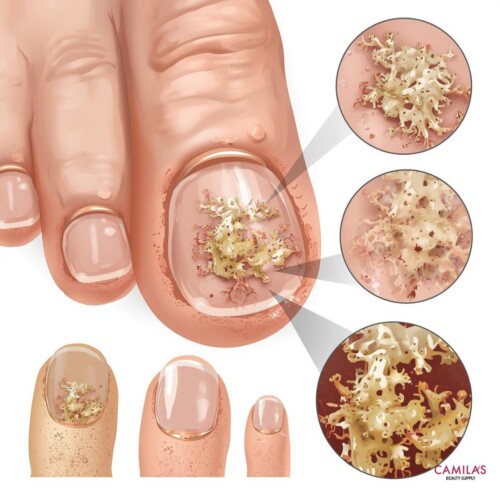
Toenail fungus, clinically referred to as onychomycosis, develops when dermatophytes, yeasts or molds penetrate the nail unit. You may observe yellow or white spots beneath the nail surface, nail thickening or brittleness. Risk factors include wearing closed-toe shoes, humid environments, athlete’s foot, advanced age and compromised immunity. Early identification and intervention enhance the success rate of any treatment. For a broader overview of nail fungus treatment, consult our guide.
Explore treatment options
When deciding on toenail fungus treatment you should consider factors such as infection severity, treatment duration, convenience and potential side effects. Common approaches include:
Topical antifungal treatments
Topical therapies involve applying medicated creams, lacquers or solutions directly to the affected nail and surrounding skin. You apply the product once or twice daily, often after filing the nail surface to improve absorption. Over-the-counter antifungal nail treatment products, such as ciclopirox or amorolfine, can reduce fungal load, though they may require several months to clear mild to moderate infections.
Oral antifungal medications
Prescription oral agents, including terbinafine and itraconazole, target fungi systemically. You typically follow a daily regimen for 6 to 12 weeks, depending on the medication and infection severity. Oral therapy often achieves higher cure rates than topicals but carries a risk of liver enzyme alterations, so regular monitoring is necessary. Your healthcare provider can determine whether you qualify for systemic treatment.
Laser and light therapies
Advanced clinics may offer laser or photodynamic therapies that emit specific wavelengths to penetrate the nail plate and destroy fungal cells. Sessions are usually brief and painless, though multiple treatments may be required. While research on long-term efficacy is ongoing, some patients report faster results compared to conventional regimens.
Home remedies
You may encounter suggestions such as tea tree oil, vinegar soaks or Vicks VapoRub using well-intentioned but limited evidence. Although anecdotal reports exist, clinical support for these remedies remains inconclusive. If you choose a home approach, combine it with evidence-based methods to maximize your chances of success. If you are also concerned about fingernail infections, see fingernail fungus treatment for specialized guidance.
Use Oriundo Nail Fungus Away
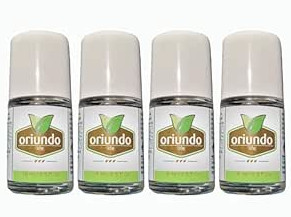
Oriundo Nail Fungus Away offers a targeted topical solution developed for stubborn fungal infections. Its proprietary formula combines antifungal agents with skin-nourishing ingredients to penetrate the nail plate and inhibit fungal growth.
How to apply the product
- Clean and dry the affected nails thoroughly.
- File the nail surface gently to enhance product penetration.
- Apply a thin layer of Oriundo Nail Fungus Away to the entire nail and adjacent skin once daily.
- Allow the solution to air dry before covering with socks or footwear.
Benefits and safety profile
You can expect the following advantages:
- Broad-spectrum antifungal activity against dermatophytes and yeasts
- Nail plate hardening properties that reduce brittleness
- Minimal systemic absorption, lowering the risk of adverse effects
- Dermatologist-tested formulation suitable for sensitive skin
Ideal candidates
Oriundo Nail Fungus Away is well suited for individuals with mild to moderate onychomycosis, particularly when you prefer a topical application over systemic therapy. If you have liver concerns or seek to avoid drug interactions, a topical regimen may be the optimal choice.
Prevent future infections
Once your nail fungus clears, you should adopt preventive habits to maintain healthy nails:
Maintain proper foot hygiene
- Wash and dry your feet every day, especially between the toes.
- Change socks daily and opt for moisture-wicking fabrics.
- Disinfect nail clippers and emery boards after each use.
Wear breathable footwear
Choose shoes made of natural materials or those with ventilation channels. If you frequent communal areas like pools or locker rooms, wear shower sandals to minimize exposure to fungal spores.
Trim nails correctly
Keep your nails trimmed straight across and filed smooth. Avoid cutting too close to the skin, which can create microtears and a portal of entry for fungal organisms.
Frequently asked questions
- How long does toenail fungus treatment take?
Treatment duration varies by severity and method. Topical therapies may require 6 to 12 months to achieve full clearance, while oral medications often resolve infection in 3 to 6 months with regular monitoring. - Can I apply nail polish during treatment?
You should avoid cosmetic nail polish when using topical antifungal products. Nail polish can create a barrier that impedes product penetration. - Is toenail fungus contagious?
Yes, fungal spores can spread through direct contact or shared surfaces such as towels, shoes and floors. Adhering to hygiene best practices reduces transmission risk. - When should I see a healthcare professional?
Seek medical advice if your infection worsens after 4 to 6 weeks of self-care, if you experience pain or if you have underlying conditions such as diabetes or peripheral vascular disease. - Are home remedies effective against nail fungus?
While some individuals report improvement with home remedies like vinegar soaks, these treatments lack robust clinical evidence. Combining them with proven antifungal therapy may enhance results.