
Nail Supply
What antifungal treatment works best for nail fungus?
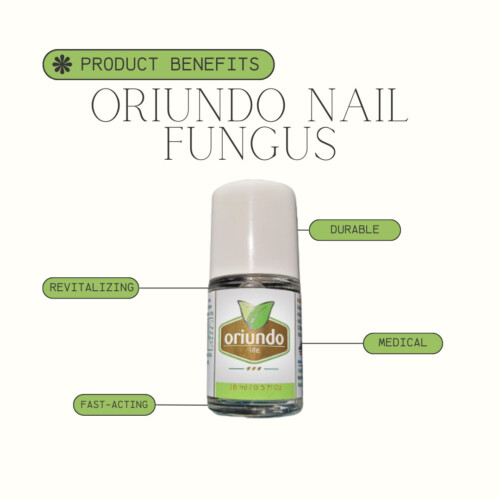
Mar
If you’re looking for an effective antifungal nail treatment to manage nail fungus, you have multiple approaches at your disposal. Nail fungus, also known as onychomycosis, can affect both fingernails and toenails, leading to discoloration, thickening, and brittleness. Understanding the causes and available therapies will help you select a solution that delivers lasting relief.
Nail fungus overview
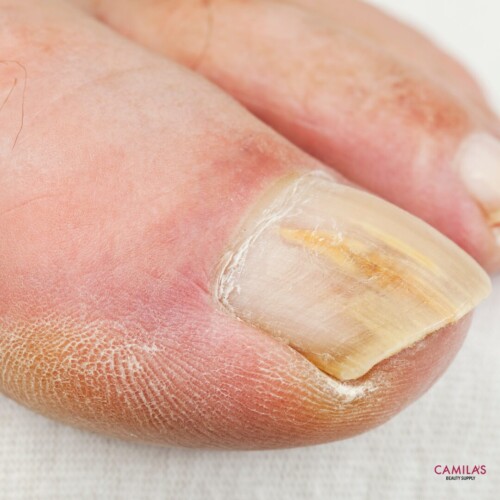
What causes nail fungus?
Onychomycosis most often arises from dermatophyte fungi, though yeast and nondermatophyte molds can also be responsible. Warm, humid environments encourage fungal growth, making communal showers, swimming pools, and enclosed footwear high-risk factors. If you spend time in such settings without proper foot hygiene, you increase your chance of infection. Once you recognize these risks, you can explore a variety of nail fungus treatment options to counteract the infection.
Recognizing symptoms
You may notice early signs of nail fungus as white or yellow streaks on the nail surface. Without timely intervention, the infection can spread, causing nails to thicken, crumble, or separate from the nail bed. While toenails—especially big toes—are most often affected, fingernail fungus can occur if you handle moist or contaminated materials. For dedicated guidance, consider specialized toenail fungus treatment or fingernail fungus treatment pathways.
Antifungal nail treatments
Topical options- What antifungal treatment works best for nail fungus?
Over-the-counter solutions
You can begin your regimen with over-the-counter antifungal creams and ointments. Ingredients such as clotrimazole or tolnaftate are formulated to penetrate the nail plate and reduce fungal colonies. Consistent daily application, paired with proper nail trimming, can yield improvements within weeks.
Prescription lacquers
If OTC products prove insufficient, prescription nail lacquers may offer higher potency. Ciclopirox and efinaconazole are two common agents approved for onychomycosis. You apply these medicated lacquers directly to the nail and surrounding skin, typically once per day for up to 48 weeks. While results vary, clinical trials have demonstrated cure rates that surpass many topical formulations. For more treatment pathways, see our detailed nail fungus treatment guide.
Oral medications
Terbinafine
Terbinafine is a first-line oral antifungal that disrupts fungal cell membranes. Taken once daily for 6 to 12 weeks, it offers cure rates up to 70 percent, depending on nail severity and patient adherence. Before starting, your physician will check liver function, as terbinafine can have rare hepatic side effects.
Itraconazole
Itraconazole is an alternative oral therapy that can be prescribed in pulse dosing or continuous regimens. Pulse dosing involves a week of treatment per month for two to three months, while continuous dosing extends daily intake over several weeks. Both approaches require monitoring to ensure safety and effectiveness.
Alternative and laser therapies
You may also encounter laser and photodynamic therapies that aim to destroy fungi through targeted heat or light activation. While some patients report success, these methods tend to be costlier and may require multiple sessions. Evaluate these options in conjunction with standard nail fungus treatment protocols before making a decision.
Introducing Oriundo Nail Fungus Away
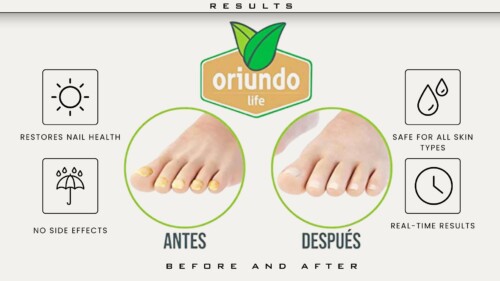
Key features
Oriundo Nail Fungus Away is an advanced topical antifungal nail treatment formulated to penetrate deeply into the nail plate. Its unique blend of natural and synthetic antifungal agents works to halt fungal growth while moisturizing the cuticle. The clear, non-sticky formula allows daily use without affecting appearance.
How it works
You apply Oriundo Nail Fungus Away once daily to clean, dry nails, focusing on the affected area and surrounding skin. Over an initial 12-week period, the formula reduces fungal concentration and restores the nail’s natural texture. Users often report visible improvement within one to two months.
Optimizing your treatment routine
Daily nail care
Proper nail hygiene supports any antifungal therapy. You should:
- Trim nails straight across and file down thickened areas
- Keep feet and hands clean, dry, and well-ventilated
- Change socks and shoes daily to reduce moisture
- Disinfect nail tools after each use
When to seek medical advice
If you see no improvement after three months of continuous therapy, or if your nails become painful and inflamed, consult a healthcare professional. You may require a prescription antifungal nail treatment or additional diagnostic tests to rule out other conditions.
Answering common questions
What is the most effective antifungal nail treatment?
Oral terbinafine tends to deliver the highest cure rates, but you can achieve satisfactory results with topical agents when used consistently. Your choice should balance efficacy, safety, and convenience.
How long does it take to see results?
You may notice initial improvement in two to three months, but full clearance of the infected nail often requires six months to one year, especially for toenails.
Are oral antifungal medications safe?
Oral therapies are generally safe when prescribed and monitored by a physician. Your doctor will conduct liver function tests and assess potential drug interactions before starting treatment.
Can I use antifungal creams on fingernails?
Yes, many topical antifungal nail treatments are suitable for both fingernails and toenails. Ensure you follow the product instructions for frequency and duration.
How can I prevent fungal recurrence?
Maintain strict nail hygiene, avoid walking barefoot in communal areas, and rotate your footwear. Periodic use of antifungal sprays or powders in shoes can also reduce the risk of reinfection.