
Nail Supply
Can fingernail fungus spread to other nails?
Mar
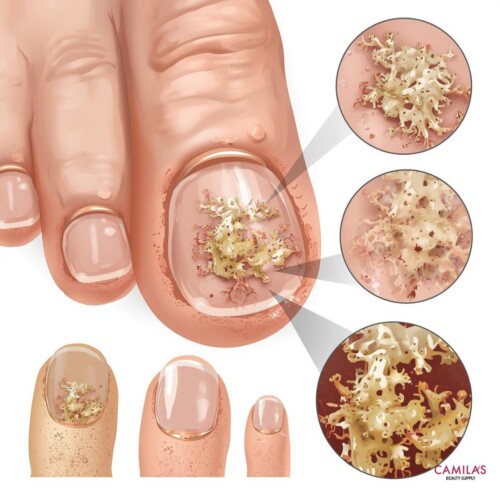
If you are dealing with a fungal infection of the nail, you may wonder about effective fingernail fungus treatment and whether the infection can spread to other nails. Onychomycosis often begins in a single nail but under certain conditions the fungus can migrate to adjacent fingernails or even to your toenails. Understanding how transmission occurs and taking prompt steps to contain the infection are key to successful management and recovery.
Understanding fingernail fungus
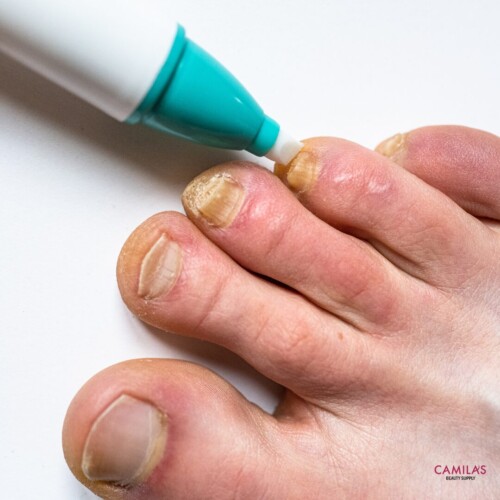
Fingernail fungus, also known as onychomycosis, is typically caused by dermatophyte fungi, though yeast or molds can also be culprits. These pathogens colonize the nail plate and the nail bed, feeding on keratin and causing discoloration, thickening, and brittleness. Warm, moist environments—such as sweaty gloves or prolonged water exposure—create ideal conditions for spores to germinate and invade healthy nails. Left unchecked, the infection can spread along the nail margin or through microscopic breaks in the cuticle.
Identifying transmission factors
Several factors increase the likelihood that fingernail fungus will extend to other nails or areas:
- Poor hygiene or nail care habits, which allow spores to accumulate
- Shared grooming tools or contaminated nail salons
- Direct contact between infected and healthy nails
- Trauma to the nail fold, creating entry points for fungi
- Weakened immunity or circulatory issues
By addressing these risks you can interrupt the cycle of spread and protect unaffected nails.
Recognizing common symptoms
Early detection matters because prompt intervention limits spread. Look for:
- Yellow, white or brown spots at the tip or side of the nail
- Nail thickening or distortion of its natural shape
- Crumbling or ragged nail edges
- A foul odor emanating from under the nail
If you notice these signs on a second nail, it likely indicates migration of the infection rather than a new onset.
Preventing fungus spread
To safeguard other nails and adjacent skin, follow these hygiene and care guidelines:
- Keep nails trimmed short and clean, filing away debris gently
- Dry your hands and nails thoroughly after washing or exposure to moisture
- Wear breathable, moisture-wicking gloves if your hands remain wet for prolonged periods
- Do not share nail clippers, files or cuticle pushers
- Disinfect tools and surfaces regularly with an antifungal spray or alcohol
- If you have athlete’s foot or toenail onychomycosis, consult toenail fungus treatment protocols to prevent cross-contamination
Consistent vigilance will reduce the chance of the fungi colonizing additional nails.
Exploring treatment options
When exploring nail fungus treatment options, consider the severity of your infection, potential side effects, and your daily routine.
Topical treatments
For mild to moderate infections you may apply medicated creams, ointments or nail lacquers directly to the affected nail. Over-the-counter antifungal nail treatment products often contain ciclopirox or amorolfine. These formulations work best when the nail is filed thin to improve penetration and when use is consistent over several weeks.
Oral medications
Prescription antifungal pills, such as terbinafine or itraconazole, circulate in your bloodstream and target the fungus at its source. Treatment courses typically last six to twelve weeks but require liver function monitoring due to potential side effects. Your healthcare provider will assess whether oral therapy matches your health profile.
Laser and light therapies
Some clinics offer laser or photodynamic treatments that aim light energy at the nail, inhibiting fungal growth. Though promising, these procedures can be costly and may require multiple sessions for optimal results.
Oriundo Nail Fungus Away
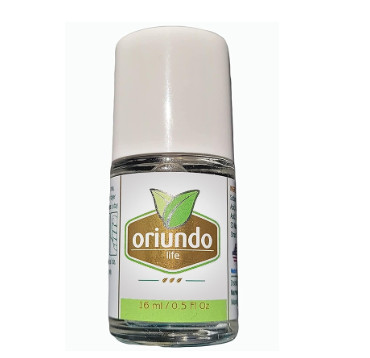
Oriundo Nail Fungus Away combines plant-based antifungal agents with nail-penetrating technologies to deliver relief directly to the infection site. To use, apply the solution once daily to clean, dry nails and surrounding skin. Over time you should observe reduced discoloration and a smoother nail surface. This product can serve as a convenient adjunct to professional therapies or as a standalone option for early-stage infections.
Consulting a healthcare professional
If your infection persists after several months of self-care, if you experience pain or inflammation, or if you have a compromised immune system, schedule an appointment with a dermatologist or podiatrist. A specialist can perform a laboratory analysis of your nail sample, confirm the specific pathogen, and tailor a treatment plan that may include combination therapy for the best outcome.
Frequently asked questions
- Can fingernail fungus spread to toenails?
Yes, fungal spores can transfer from your fingers to your toes, especially in warm, humid environments. If you suspect toenail involvement, review toenail fungus treatment guidelines to protect all nails. - How long does treatment usually take?
Therapy can last from six weeks for topical solutions up to twelve weeks or longer for oral medications. Complete nail regrowth may require three to six months before you see a fully healthy nail. - Is it possible to treat nail fungus at home?
For mild infections, you may start with over-the-counter topical products and strict hygiene. If there is no improvement after two months, professional evaluation is recommended. - Will cleaning nail tools prevent reinfection?
Yes, disinfecting clippers, files and brushes after each use helps eliminate spores and prevents cross-contamination between nails or with other people. - Can you still wear nail polish during treatment?
It is best to avoid nail polish or artificial nails, as these can trap moisture and hinder the effectiveness of both topical and oral therapies. Opt for breathable nail products once your infection has fully cleared.