
Nail Supply
Are antifungal nail treatments safe for long-term use?
Feb
Understanding antifungal nail treatment
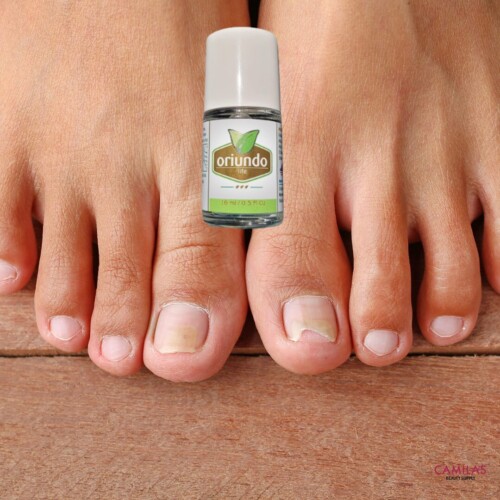
You may wonder whether long-term use of antifungal nail treatment poses risks to your health. Nail fungus, medically known as onychomycosis, can persist for months or even years. Prolonged therapy is often necessary to eradicate the infection and prevent recurrence.
In this article, you will learn about antifungal nail treatment options, their safety profiles, strategies to minimise side effects, and how to monitor your progress. For a broader overview of options, explore our nail fungus treatment guide.
What are antifungal nail treatments?
Antifungal nail treatments target fungal organisms that invade the nail bed and plate. They fall into two broad categories:
- Topical preparations applied directly to the nail surface
- Oral medications taken by mouth to reach the infection systemically
Both approaches aim to eliminate the fungus, promote healthy nail growth, and prevent reinfection.
Types of antifungal therapies
Topical treatments
Topical antifungals come as lacquers, creams or solutions. They are easy to apply and have fewer systemic effects. Common active ingredients include ciclopirox and amorolfine. To work effectively, you must:
- File the nail surface gently before application
- Apply the medication to the entire nail and surrounding skin
- Use daily or as prescribed for 6 to 12 months
For details on specific products, see our antifungal nail treatment resource.
Oral medications
Oral antifungals, such as terbinafine and itraconazole, are prescribed for moderate to severe infections. They reach the fungus through your bloodstream and may shorten treatment time. However, you should:
- Undergo liver function tests before and during therapy
- Report any unusual fatigue, jaundice or abdominal pain
- Avoid alcohol to reduce liver stress
When treating advanced toenail infections, refer to our toenail fungus treatment page.
Evaluating long-term safety
Potential risks and side effects
Long-term use of antifungal medications can carry certain risks:
- Topical agents may cause skin irritation, redness or peeling
- Oral drugs can lead to gastrointestinal upset, headache or taste disturbances
- Rarely, systemic therapies affect liver enzymes or interact with other medications
Your healthcare provider will balance these considerations against the severity of your infection.
Monitoring your health
To maintain safety during extended treatment:
- Schedule periodic blood tests if you use oral antifungals
- Inspect your nails and surrounding skin for signs of irritation
- Report any new symptoms promptly to your clinician
Regular follow-up ensures timely detection of side effects and allows you to adjust your regimen as needed.
Optimizing treatment effectiveness
Best practices for application
Reliable results depend on consistent and correct use:
- Trim and thin affected nails before applying any topical product
- Cleanse your feet or hands thoroughly and dry completely
- Apply medication as directed, covering the entire nail plate
- Allow the formula to dry fully before wearing socks or shoes
Lifestyle and hygiene tips
You can support treatment with simple habits:
- Change socks and undergarments daily
- Wear breathable footwear and rotate pairs to reduce moisture
- Disinfect nail tools after each use
- Avoid walking barefoot in public areas such as gyms or pools
Adhering to these measures reduces the risk of reinfection and speeds recovery.
Introducing Oriundo Nail Fungus Away
Product overview
Oriundo Nail Fungus Away is a dual-action topical formula designed for daily use. Key features include:
- Antifungal agents that penetrate the nail plate
- Moisturising complexes to prevent cracking
- Natural extracts with antioxidant properties
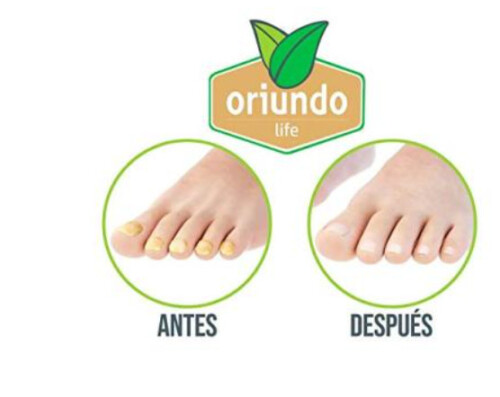
Clinical evaluations show that Oriundo Nail Fungus Away promotes clearer nails within 8 to 12 weeks when used consistently.
How to use
- Clean and dry the affected nail thoroughly
- Apply a thin layer of Oriundo Nail Fungus Away once daily
- Allow the solution to dry before covering the nail
- Continue application for at least three months or until healthy nail growth
Always follow the instructions on the packaging and consult your healthcare provider with any questions.
Frequently asked questions
- Can I use antifungal nail treatment indefinitely?
You should follow the recommended course—typically 6 to 12 months—and then reassess with your clinician. Indefinite use is not advised without medical supervision. - Will long-term treatment affect my liver?
Topical therapies pose minimal systemic risk. If you take oral antifungals, your doctor will monitor liver enzymes regularly to ensure safety. - How soon will I see improvement?
You may notice reduced discoloration and less brittleness in 4 to 8 weeks. Complete clearance often requires several nail growth cycles, up to 12 months. - What if I miss a dose?
Apply the missed dose as soon as you remember. Do not double up the next application. Consistency is more important than occasional lapses. - Can I combine topical and oral treatments?
In some cases, combining both methods under medical guidance can improve outcomes. Consult your healthcare provider to determine the best regimen for your condition.