
-
×
 Purple Palazzo Pants NL V34
1 × $5.75
Purple Palazzo Pants NL V34
1 × $5.75
 Purple Palazzo Pants NL V34
 Nail Supply
Builder Gel vs Builder Base: Which One Do You Need for Strong Nails?
04
Mar
Mar
Builder Gel vs Builder Base: Which One Do You Need for Strong Nails?
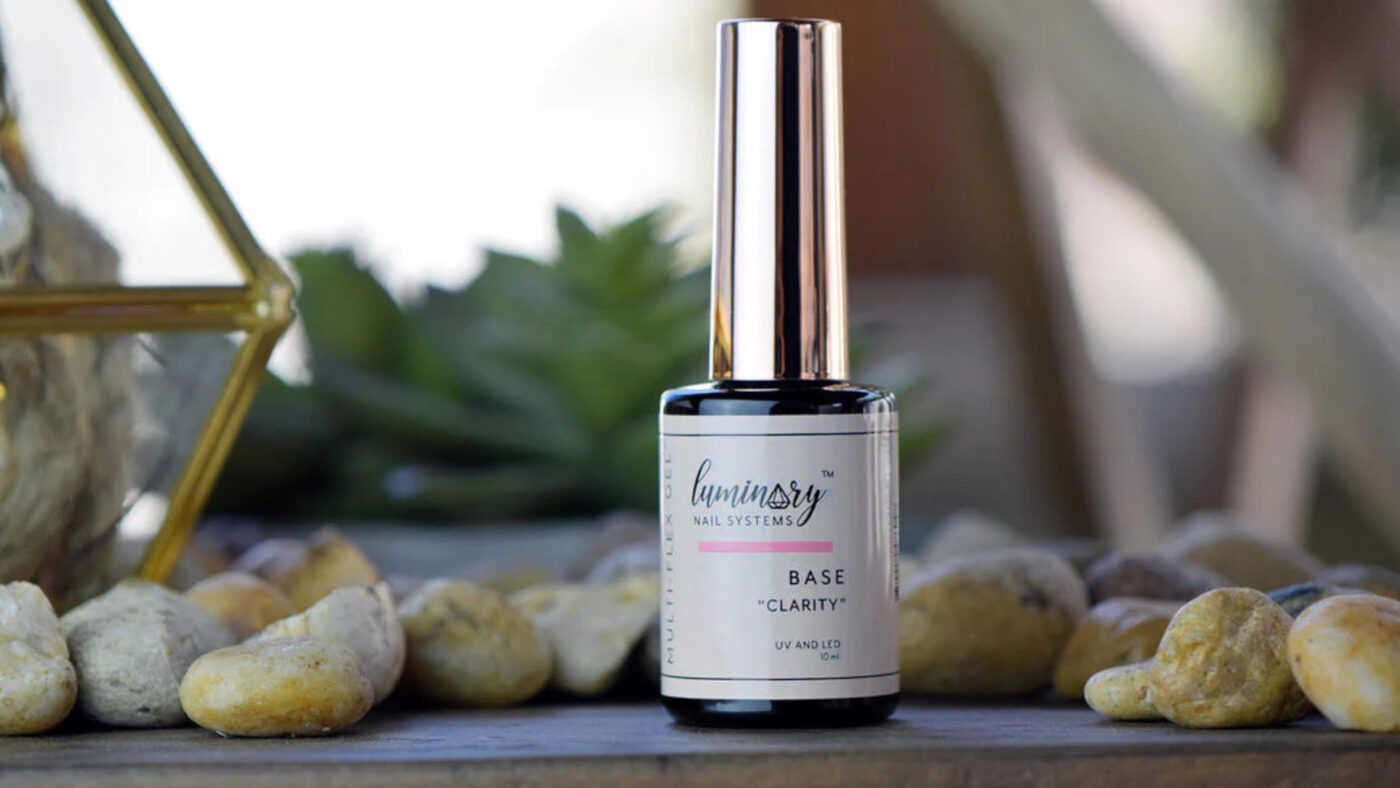
When it comes to achieving strong and beautiful nails, the choice between builder gel and builder base can be pivotal. Both products serve unique purposes in nail enhancement, but understanding their differences is essential for making an informed decision. This article will delve into the characteristics, benefits, and applications of builder gel and builder base, helping you determine which one best suits your needs. Many individuals struggle with nail strength and durability, often seeking solutions that provide lasting results. Builder gel and builder base offer distinct advantages, and this guide will explore their mechanisms, ideal use cases, and application techniques. We will also discuss product recommendations and maintenance tips to ensure your nails remain healthy and strong.
What Is Builder Gel and How Does It Strengthen Nails?
Builder gel is a thick, viscous gel used in nail enhancements to create a strong and durable layer over natural nails. It works by providing structural support, allowing for the sculpting of nails into various shapes and lengths. The primary benefit of builder gel is its ability to enhance nail strength, making it an excellent choice for those looking to extend their nails or create intricate designs.
How Does Builder Gel Work for Nail Sculpting and Durability?
Builder gel is applied in layers, which are cured under a UV or LED lamp. This curing process transforms the gel into a hard, durable surface that can withstand daily wear and tear. The thickness of the gel allows for flexibility and strength, making it ideal for nail sculpting. Users often find that builder gel not only enhances the aesthetic appeal of their nails but also provides a robust foundation that resists chipping and breaking.
What Are the Key Ingredients and Properties of Builder Gel?
Builder gels typically contain a combination of methacrylate compounds, which contribute to their adhesive properties and durability. These ingredients allow the gel to bond effectively with the natural nail, ensuring a long-lasting hold. Additionally, many builder gels are formulated with UV filters to prevent yellowing and maintain clarity over time. The properties of builder gel make it a versatile option for various nail designs, from simple overlays to elaborate nail art.
What Is Builder Base Gel and Its Role in Nail Strengthening?
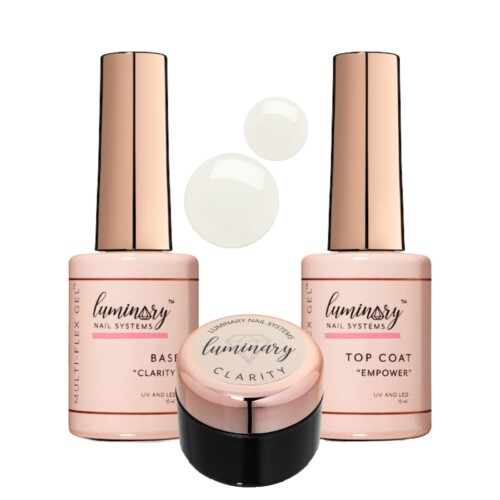
Builder base gel serves as a foundational layer for nail enhancements, providing adhesion and support for subsequent layers of gel or polish. It is designed to create a strong bond between the natural nail and the enhancements, ensuring longevity and durability. Understanding the role of builder base gel is crucial for achieving optimal results in nail applications.
How Does Builder Base Gel Provide Adhesion and Support?
Builder base gel is formulated to adhere strongly to the natural nail surface, creating a reliable foundation for additional layers. Its unique composition allows it to fill in ridges and imperfections, promoting a smooth application of builder gel or polish. This adhesive quality is essential for preventing lifting and ensuring that the enhancements remain intact for an extended period.
Can Builder Base Gel Be Used Alone for Nail Enhancements?
While builder base gel can be used alone for a natural look, it is often recommended to use it in conjunction with builder gel for enhanced strength and durability. When applied alone, builder base gel provides a subtle enhancement to the natural nail, offering a glossy finish and some protection. However, for those seeking more significant length or intricate designs, combining it with builder gel is advisable.
Builder Gel vs Builder Base Gel: What Are the Benefits and Drawbacks?
Both builder gel and builder base gel have their unique benefits and drawbacks, making them suitable for different applications and preferences. Understanding these differences can help you choose the right product for your nail enhancement needs.
Which Gel Offers Better Nail Strength and Durability?
Builder gel is generally considered to provide superior strength and durability compared to builder base gel. Its thicker consistency and structural properties make it ideal for creating long-lasting enhancements. In contrast, builder base gel is primarily focused on adhesion and may not offer the same level of strength when used alone.
What Are the Ideal Use Cases for Builder Gel and Builder Base Gel?
Builder gel is best suited for individuals looking to extend their nails or create intricate designs that require additional strength. It is ideal for nail art enthusiasts and those with weaker nails. Builder base gel, on the other hand, is perfect for those who prefer a more natural look or are seeking a reliable foundation for their nail enhancements. It is also beneficial for individuals who want to maintain the health of their natural nails while still enjoying some level of enhancement.
How to Apply Builder Gel and Builder Base Gel for Strong Nails?
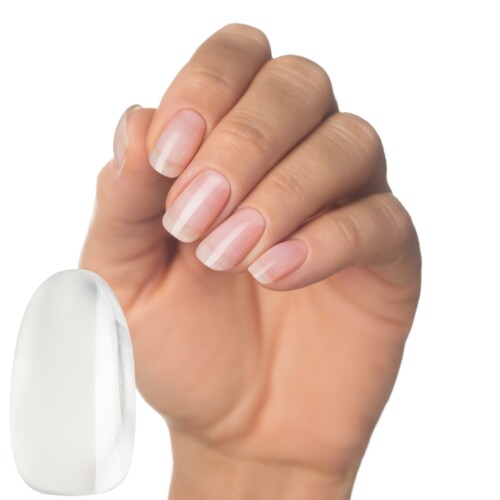
Applying builder gel and builder base gel requires specific tools and techniques to ensure a successful outcome. Understanding the essential steps can help you achieve beautiful and durable nails.
What Are the Essential Tools and Preparation Steps?
Before applying builder gel or builder base gel, gather the following tools:
- Nail file and buffer
- Cuticle pusher
- Nail cleanser or alcohol wipe
- UV or LED lamp
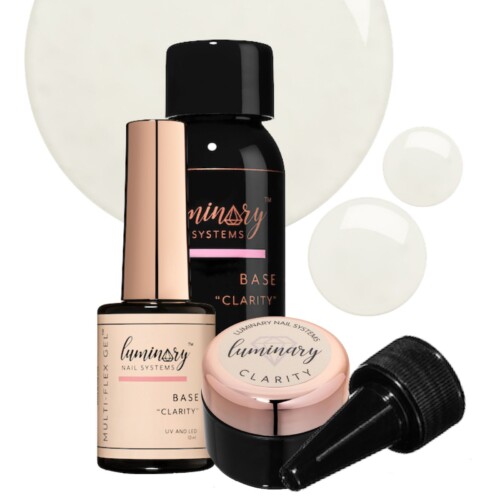
- Builder gel and builder base gel
Preparation involves cleaning the nails thoroughly, pushing back the cuticles, and lightly buffing the nail surface to enhance adhesion. This step is crucial for achieving a smooth and long-lasting application.
What Is the Step-by-Step Process for Applying Each Gel Type?
- Apply Builder Base Gel: Start by applying a thin layer of builder base gel to the natural nail, ensuring even coverage. Cure under the UV or LED lamp for the recommended time.
- Apply Builder Gel: Once the base layer is cured, apply a thicker layer of builder gel, sculpting it to the desired shape. Cure again under the lamp.
- Finish with Top Coat: After the builder gel is fully cured, apply a top coat for added shine and protection. Cure once more to complete the process.
Which Builder Gel and Builder Base Gel Products Should You Choose?
Choosing the right products is essential for achieving the best results in nail enhancements. Here are some top-rated options to consider.
What Are the Top-Rated Builder Gel Nails and Builder Base Gel Brands?
When selecting builder gel and builder base gel, consider reputable brands known for their quality and performance. Some popular options include:
- Gelish Builder Gel: Known for its strong adhesion and versatility.
- IBD Builder Gel: Offers a range of colors and excellent durability.
- CND Brisa Gel: Renowned for its smooth application and long-lasting results.
How Do Price and Quality Compare Among Nail Extension Gels?
Prices for builder gels and builder base gels can vary significantly based on brand and quality. Generally, high-quality gels range from $15 to $30 per bottle. Investing in reputable brands often results in better performance and durability, making it worthwhile for those serious about nail enhancements.
How to Maintain and Care for Nails Enhanced with Builder Gel or Base Gel?
Proper maintenance is crucial for ensuring the longevity of nails enhanced with builder gel or builder base gel. Following best practices can help keep your nails looking their best.
What Are the Best Practices for Nail Care After Gel Application?
After applying builder gel or builder base gel, it is essential to:
- Avoid excessive exposure to water for the first 24 hours.
- Use cuticle oil regularly to keep the surrounding skin hydrated.
- Avoid using nails as tools to prevent chipping or breaking.
How to Safely Remove Builder Gel and Builder Base Gel?
To safely remove builder gel or builder base gel, follow these steps:
- Soak a cotton ball in acetone and place it on the nail.
- Wrap the nail in aluminum foil to keep the cotton in place.
- Wait for 10-15 minutes, then gently push off the gel with a cuticle pusher.
This method minimizes damage to the natural nail and ensures a safe removal process.