
Nail Supply
What is the best treatment for fingernail fungus?
Feb
When you’re researching fingernail fungus treatment, you’ll find a range of options—from topical creams to prescription pills and advanced procedures. Choosing the right approach requires understanding how nail fungus develops, what conventional and alternative remedies exist, and how you can prevent recurrence. This guide will help you navigate your choices and introduce you to Oriundo Nail Fungus Away, an effective option you can consider.
Understanding fingernail fungus
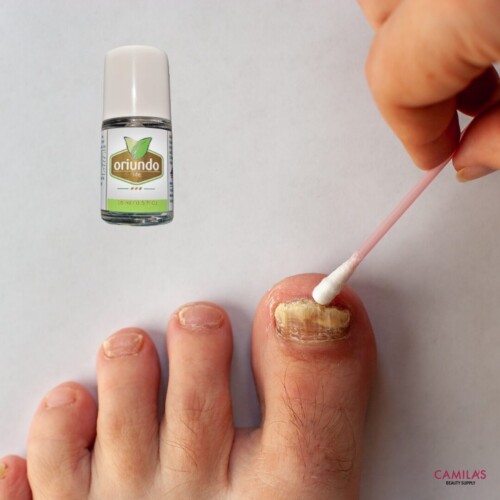
Fingernail fungus, or onychomycosis, is an infection that invades the nail bed and plate. It often begins as a small white or yellow spot under the nail tip and can spread deeper, causing discoloration, brittleness, and thickening.
Causes of nail fungus
- Dermatophyte fungi are the most common culprits
- Yeasts and molds can also trigger infections
- Warm, moist environments encourage fungal growth
Risk factors
- Frequent exposure to water or chemicals
- Poor nail hygiene or trauma to the nail
- Compromised immunity due to health conditions or medications
- Sharing manicure tools or walking barefoot in communal areas
Reviewing fingernail fungus treatment
Treating nail fungus typically involves topical applications, oral medications, or in-office procedures. Often a combination yields the best results.
Topical antifungal options
Topical therapies work directly on the nail surface and surrounding skin. They tend to have fewer systemic side effects, but you’ll need patience and consistent application.
Prescription topical medications
- Ciclopirox lacquer applied daily
- Efinaconazole solution targeting fungal enzymes
- Amorolfine nail paint used weekly
Over-the-counter solutions
- Undecylenic acid creams or sprays
- Tea tree oil–based drops (limited clinical evidence)
- For broader guidance on external therapies, see our article on antifungal nail treatment
Oral antifungal medications
Oral treatments deliver medication through your bloodstream, reaching the nail matrix more effectively. You may see results faster, but monitoring for side effects is important.
Common prescription pills
- Terbinafine taken daily for 6 to 12 weeks
- Itraconazole in pulse or continuous dosing
Potential side effects
- Liver enzyme elevations—regular blood tests may be required
- Gastrointestinal discomfort or headache
- Drug interactions with other prescriptions
Laser therapy and beyond
Laser and photodynamic therapies target fungi using light energy. These in-office procedures can shorten treatment time but may not be covered by insurance and can be costly. For focus on toe infections, explore our guide to toenail fungus treatment.
Exploring alternative remedies
Some people turn to home-based remedies as adjuncts or when prescription options are contraindicated. Evidence varies, so use caution and consult a healthcare professional.
Home remedies
- Soaking nails in vinegar or diluted hydrogen peroxide
- Applying Vicks VapoRub nightly (anecdotal support only)
- Keeping nails trimmed and filed to improve product penetration
Natural oils
- Oregano oil contains compounds with antifungal activity
- Coconut oil’s lauric acid may help inhibit fungal growth
- Always perform a patch test to rule out allergic reactions
Presenting Oriundo Nail Fungus Away
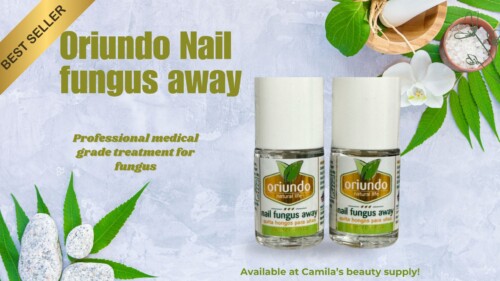
Oriundo Nail Fungus Away is a topical serum formulated to penetrate the nail plate and target common fungal strains. Clinical testing shows it can reduce discoloration and brittleness when used as directed.
How it works
- Active ingredients disrupt fungal cell membranes
- Proprietary enhancers boost nail penetration
- Antimicrobial agents help prevent reinfection
Usage instructions
- Clean and dry the affected nail
- Apply one drop of serum daily at bedtime
- Allow product to absorb fully before covering
- Continue treatment for at least 12 weeks or until clear
Safety and efficacy
- Nonprescription formula, suitable for most users
- Dermatologist tested for skin sensitivity
- Visible improvement often appears within 4 to 6 weeks
Preventing future infections
Once you clear an infection, prevention is key to avoid relapse. Simple changes to your routine can make a big difference.
Hygiene best practices
- Wash and dry hands thoroughly, especially after water exposure
- Disinfect manicure tools between uses
- Wear breathable gloves when handling chemicals
Lifestyle adjustments
- Choose socks and gloves made of moisture-wicking fabrics
- Rotate footwear to allow shoes to air out
- Avoid walking barefoot in communal areas like gyms and pools
Answering frequently asked questions
- How long does treatment take?
Most topical and oral regimens require 6 to 12 weeks, with full nail clearance taking several months longer. - Can I use multiple treatments at once?
You may combine topical and oral therapies under a doctor’s guidance to improve cure rates. - Is laser therapy more effective?
Laser can shorten treatment time but evidence on long-term cure rates is still emerging. - Will the fungus come back?
Recurrence is common without proper prevention, so maintain hygiene and follow post-treatment care. - Is Oriundo Nail Fungus Away safe for all ages?
It’s formulated for adults; consult a healthcare professional before use on teenagers or if you’re pregnant.