
Hair Color
How to cover gray hair with natural dyes?
Dec
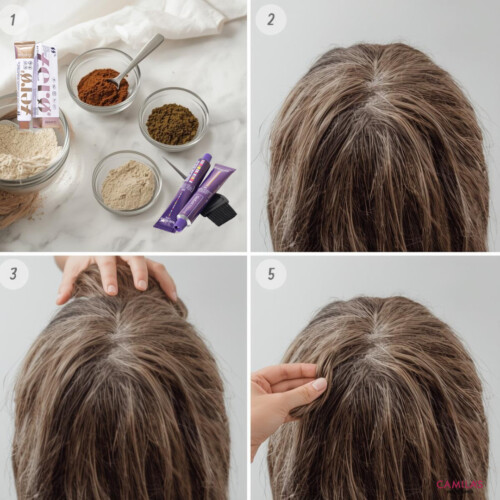
You’ve noticed the first silver strands creeping in and want to keep your look fresh without exposing your strands to harsh chemicals. Covering gray hair with natural dyes offers a gentle, eco-friendly way to update your hair color. In this ultimate guide, you’ll learn why plant-based pigments are the go-to choice for hair health, which ingredients deliver the best gray coverage, and how to nail each step from prepping your strands to maintaining vibrancy. Dive in to discover how simple kitchen staples can transform your hair color with salon-worthy results.
Understand Natural Dye Benefits
Compare To Permanent Dyes
Permanent hair dyes, also known as oxidative hair dyes, change your hair color permanently in one application and cover gray hair completely. These formulas rely on an oxidant and an alkali to open your hair’s cuticle and deposit pigment molecules deep into the cortex (Salerm). While they deliver one-time full coverage, they also demand specialized aftercare, frequent root touch-ups, and can gradually weaken the hair fiber.
Oxidative Dye Chemistry
Permanent dyes work through a two-step chemical reaction. First, an alkali raises the hair fiber’s pH, allowing the cuticle scales to lift. Next, an oxidant activates small colorless dye precursors so they combine into larger molecules that lock inside the cortex.
Professional Formulas And Aftercare
Many professional brands, like Keyra Colors, infuse keratin into their formulas for added shine and strength and recommend a pH acid shampoo to neutralize leftover alkali post-color (Keyra Colors). Others, such as Blust On PRO, offer fast-action developers that cut processing time by up to 70 percent but still rely on synthetic ingredients (Blust-On).
Benefits For Hair Health
Natural dyes tend to seal rather than swell the cuticle, making them gentler on your hair and scalp. Key benefits include:
- Reduced risk of allergic reactions and scalp irritation
- Sealed cuticles that lock in moisture and boost shine
- Biodegradable, plant-based pigments with minimal environmental impact
- Gradual, buildable color that fades softly without harsh regrowth lines
- Conditioning effects from natural oils and proteins in certain dyes
Gather Dye Ingredients
Selecting the right plant-based pigment is the first step to covering gray hair naturally. Here are the most reliable options:
Henna For Warm Reds
- Shade Range: Fiery red to auburn
- Application Time: 2–4 hours
- How It Works: Lawsonia inermis powder binds to keratin, providing long-lasting red tones and full gray coverage
- Pro Tip: Mix henna with warm water or chamomile tea to achieve a brighter red. Always use high-quality, pure henna labeled “body art quality” to avoid metallic additives
Indigo For Browns And Blacks
- Shade Range: Dark brown to jet black
- Application Time: 1–2 hours
- How It Works: Indigofera tinctoria dye follows a henna pre-treatment, creating a spectrum from brown (shorter application) to black (longer application)
- Pro Tip: Always apply indigo on freshly henna-treated hair for best adhesion. Skip metallic indigo blends that can cause uneven results
Coffee And Tea Rinses
- Shade Range: Soft brown undertones
- Application Time: 30–60 minutes
- How It Works: Caffeine extracts lightly tint gray hairs and add surface shine
- Pro Tip: Brew a strong, cooling coffee or black tea concentrate. Apply as a final rinse after shampooing and leave in under a shower cap
Walnut Hulls For Brown Tones
- Shade Range: Rich, warm brown
- Application Time: 1–2 hours
- How It Works: Ground walnut husk powder releases juglone pigment that stains the hair shaft
- Pro Tip: Wear gloves and work over non-porous surfaces—walnut husks can stain skin and countertops
Beet And Carrot For Red Accents
- Shade Range: Deep red to orange highlights
- Application Time: 30–60 minutes
- How It Works: Beetroot juice and carrot puree deposit natural red and orange pigments on the hair cuticle
- Pro Tip: Combine both for a balanced red-orange tone. Use as a gloss over existing color for subtle shine
Use A Barrier Cream
Apply petroleum jelly or a thick moisturizer around your hairline before dyeing. If staining occurs, gently exfoliate with a baking soda paste or a citrus-based cleanser.
Covering your gray hair with natural dyes doesn’t have to feel daunting. By understanding the benefits and limitations of plant-based pigments, selecting the right ingredient for your desired shade, and following a clear prep-to-maintenance routine, you can achieve consistent, healthy-looking hair color.
Ready to switch to plant-based gray coverage? Here’s a quick recap of your next steps:
- Clarify and section your hair
- Prepare and test your chosen dye
- Apply evenly and process under a cap
- Rinse fully, then condition to seal
- Maintain with gentle shampoos and refresh rinses
With these simple steps, you’ll keep your hair vibrant and your gray strands discreet—all without synthetic chemicals.