Hair Color
What is the hardest hair color to keep?
Dec
Keeping your hair color fresh and vibrant can feel like an uphill battle, especially when some shades fade faster than others. In this ultimate guide, you’ll discover why certain colors prove the hardest to keep, which formulas deliver maximum longevity, and how to prep, protect, and refresh your hue. Along the way, you’ll find product comparisons, expert tips, and links to dive deeper into hair color best practices.
Understanding Hair Color Challenges
Factors Affecting Color Longevity
- Hair porosity and cuticle health
- Frequency and type of washing
- Exposure to UV, chlorine, and hard water
- Heat styling and chemical treatments
Role of Hair Porosity
Porosity determines how readily your strands absorb—and release—pigment. Highly porous hair soaks up dye fast but also loses color just as quickly. Assess porosity with a strand test: place a clean, dry hair in a glass of water. If it sinks within seconds, you’ll need more intensive conditioning to seal the cuticle before coloring.
Impact of Pre-Existing Damage
Chemical treatments, frequent bleaching, and heat styling weaken the hair cortex and roughen cuticles. Damaged hair not only struggles to hold pigment, it can fade unevenly, leaving you with brassy patches or muddy tones.
Identifying Hard-to-Keep Shades
Pastel and Fashion Colors
Delicate hues like lavender, baby pink, or mint require aggressive lightening—often to platinum—before toning. Those porous, lifted strands demand constant toning and specialized products to prevent brassiness and washout.
Red Tones
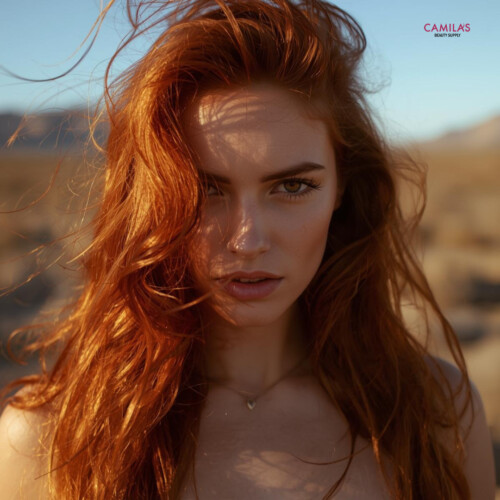
Red dye molecules are larger than those in other colors, so they sit closer to the hair surface. That makes them prone to rapid washout, especially if you shampoo too often or use harsh formulas.
Platinum Blonde
Lifting hair to a near-white blonde strips away natural pigmentation and much of the hair’s protective lipids. That leaves strands highly porous and vulnerable to yellowing or fading within weeks.
Choosing Durable Color Formulas
Permanent vs Semi-Permanent
Permanent (oxidative) dyes penetrate deep into the cortex, offering complete gray coverage and long-lasting color. Semi-permanent options sit closer to the cuticle and fade more quickly, making them ill-suited for high-maintenance shades like pastels or intense reds (Salerm).
Keratin-Enriched Formulas
Look for dyes with keratin and natural oils to reinforce the hair fiber as you color. Keyra Colors combines keratin with botanical actives to provide vibrant, long-lasting hues while boosting shine and smoothness (Keyra Colors).
Ammonia-Free High-Lift Options
Blust On PRO’s ammonia-free Blond Powder lifts hair up to nine tones, respecting hair structure for balanced lightening. Their fast-action formula also shortens processing time by 70%, minimizing damage and extending color life (Blust On).
| Brand | Formula Type | Lightening Capacity | Key Benefits |
|---|---|---|---|
| Keyra Colors | Permanent, Keratin-Enriched | Up to 4 tones | 100% gray coverage, conditioning, enhanced shine (Keyra Colors) |
| Blust On PRO | Permanent, Fast-Action | Blonde Powder: up to 9 tones Lightening Powder: up to 7 tones |
70% faster processing, ammonia-free, softer hair, lasting vibrancy (Blust On) |
Preparing Before Coloring
Hair Health Assessment
Examine your strands for breakage, split ends, and dryness. Trim any damaged tips and consider protein treatments to rebuild the cortex before you apply new pigment.
Pre-Color Conditioning
Use a pH-acid balancing shampoo to remove mineral buildup and gently close the cuticle. Keyra Hair Care’s pH Acid Shampoo neutralizes residues on colored, bleached, or highlighted hair, creating a smooth canvas for dye (Keyra Colors). Follow with an immediate-action mask or conditioner to lock in moisture.
Maintaining Vibrant Color
Shampoo and Conditioner Tips
- Switch to a sulfate-free, color-safe shampoo
- Use a conditioner formulated for color-treated hair
- Rinse with cool water to seal the cuticle
Washing Frequency
Aim for 2–3 washes per week. On non-wash days, refresh roots and manage oil with a gentle dry shampoo.
Protecting Against UV and Heat
Before styling, apply a thermal protectant. On sunny days, shield your hair with UV-filter sprays or wear a wide-brimmed hat to prevent fading from sun exposure.
Repairing and Refreshing Color
At-Home Touch-Up Solutions
Root touch-up kits in matching shades can extend the life of your color between salon visits. Opt for cream-based applicators to minimize mess and ensure even coverage.
Deep Conditioning Treatments
Integrate a weekly restoration mask to replenish moisture and strengthen fibers. Blust On’s Ultimate Repair hair mask delivers instant nourishment, enhanced softness, and longer-lasting vibrancy for color-treated hair (Blust On).
Quick Recap-What is the hardest hair color to keep?
- Understand porosity, damage, and environmental factors
- Recognize the hardest shades: pastels, reds, platinum blondes
- Choose permanent, keratin-enriched, or ammonia-free formulas
- Prep with pH-balancing shampoo and conditioning masks
- Wash less, condition often, and protect from UV/heat
- Use targeted treatments and root touch-ups to refresh color
Armed with these strategies, you’ll tackle even the most challenging shades with confidence and maintain salon-fresh results longer. Your hair color longevity starts here.