
Hair Product
Which vitamin deficiency causes hair thinning and hair fall?
Feb
understanding hair loss deficiency
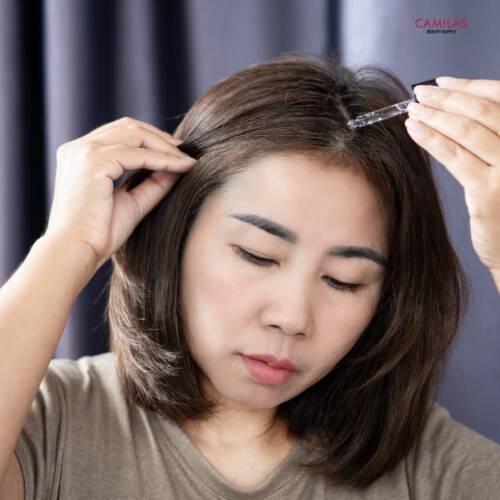
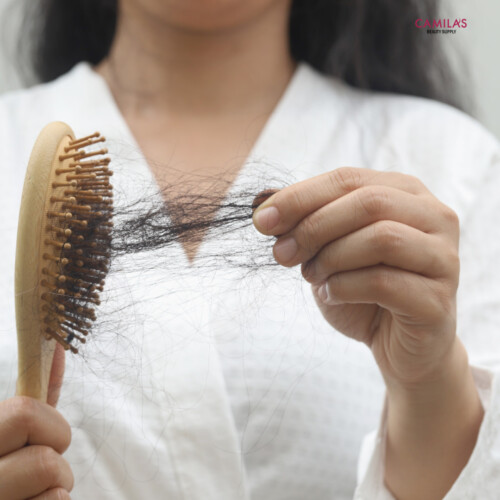
Around 40% of women experience noticeable hair loss by age 50. While hormone shifts and genetics are common causes of hair loss in women, nutrient gaps play a critical role too. Hair loss deficiency arises when your body lacks the vitamins needed to maintain a robust growth cycle, leading to weakened follicles and increased shedding or hair fall. By pinpointing the vitamins behind your thinning hair, you can tackle the root cause and restore healthy volume.
key vitamins for hair
Your hair relies on several vitamins at each stage of the growth cycle. A shortage of any can push follicles into resting or shedding phases prematurely. Here are the top vitamins you need to watch:
biotin (vitamin B7)
Biotin supports keratin production, the protein that makes up your hair strand. Inadequate biotin can lead to brittle hair that breaks easily and falls out more frequently. You’ll find biotin in eggs, nuts, and whole grains, or you can explore targeted formulas in our guide to hair thinning vitamins.
vitamin D
Vitamin D receptors appear in hair follicles, so low levels may disrupt the normal growth cycle and trigger excessive shedding. Safe sun exposure and fatty fish like salmon or fortified milk can boost your intake.
vitamin A
Retinol aids sebum production on your scalp, keeping follicles nourished. Too little vitamin A causes dryness and dandruff, which can contribute to hair loss, while too much can aggravate shedding.
vitamin E
As an antioxidant, vitamin E helps reduce oxidative stress around your hair follicles. Deficiency can weaken nearby blood vessels and starve hair roots. Sunflower seeds, spinach, and almonds are great natural sources.
vitamin C
Vitamin C enables iron absorption and supports collagen, a key component of hair structure. Without enough vitamin C, your hair can become weak and prone to falling out.
signs of vitamin deficiency
Recognizing the link between your diet and hair health is your first defense. Watch for these warning signs:
- Increased daily shedding, especially after brushing
- Noticeable thinning at the crown or temples
- Dry, brittle hair that snaps when you style it
- Scalp dryness or flaking without clear shampoo issues
If you spot any of these, you may want to explore underlying nutrient gaps or check out our breakdown of causes of thinning hair.
testing and diagnosis
To confirm a vitamin deficiency, your doctor can order a simple blood panel. This test checks levels of key markers like vitamin D, B12, and iron. Proper diagnosis also rules out other medical causes of hair loss such as thyroid disorders or autoimmune conditions. Armed with lab results, you can create a targeted plan rather than guessing at weak shampoos or costly serums.
improve your vitamin intake
Once you know which vitamins you’re low in, you can close the gap through diet, supplements, and hair care products designed to reinforce follicles from the outside.
balanced diet
Focus on whole foods rich in the vitamins highlighted above. For example:
- Eggs, nuts, and seeds for biotin and vitamin E
- Leafy greens and berries for vitamin C
- Fatty fish and fortified dairy for vitamin D
- Carrots and sweet potatoes for vitamin A
This approach pays dividends beyond your hair, supporting overall energy and health.
supplements
Clinically dosed supplements can help you reach optimal levels, especially if dietary changes alone aren’t enough. Look for formulas that combine biotin, vitamins C, D, and E with complementary minerals. Always follow dosage guidelines and consult a healthcare provider if you have existing conditions or take medications.
targeted hair care products
While replenishing vitamins internally, these shampoos, conditioners, and treatments help fortify your strands and scalp:
| Brand | Shampoo | Conditioner | Treatment |
|---|---|---|---|
| Salerm | Salerm anti-hair fall shampoo | Salerm energizing conditioner | Salerm growth concentrate treatment |
| Alfaparf Milano | Alfaparf Milano energizing shampoo | Alfaparf Milano densifying conditioner | Alfaparf Milano intense hair masque |
| Trussprofessional | Trussprofessional hair loss control shampoo | Trussprofessional revitalizing conditioner | Trussprofessional scalp therapy ampoules |
| Salon in Recamier | Salon in Recamier anti-fall shampoo | Salon in Recamier reconstructor conditioner | Salon in Recamier strength treatment |
| Tree Liss | Tree Liss keratin shampoo | Tree Liss smoothing conditioner | Tree Liss restorative hair ampoule |
Pair these with a nourishing scalp massage to improve circulation and maximize product absorption. For an all-star shampoo lineup that tackles deficiency-driven shedding, consider our picks for the best shampoo for hair loss.
prevent thinning hair
Building healthy hair starts with consistent care habits. Even the best vitamin levels can fall short if you damage your strands:
- Master the right way to washing thinning hair to avoid overstripping natural oils
- Protect your roots with loose styles to prevent thinning hair
- Minimize heat styling and chemical treatments
- Wear protective styles when you sleep and cover your hair outdoors
plan your next steps
Now that you understand hair loss deficiency and how targeted vitamin support works, take decisive action:
- Schedule a blood test to identify your specific deficiencies
- Adjust your diet to include key vitamin-rich foods
- Add a targeted supplement under medical guidance
- Upgrade your routine with enriched shampoos, conditioners, and treatments
- Consult a trichologist or dermatologist if shedding persists
This roadmap helps you stop hair loss and set a foundation for healthier regrowth.
frequently asked questions-Which vitamin deficiency causes hair thinning and hair fall?
- Which vitamin deficiency causes the most shedding?
Biotin deficiency often leads to noticeable hair brittleness and shedding, but low vitamin D and iron are also common culprits. - Can I reverse hair loss by taking vitamins alone?
Vitamins help restore a healthy growth cycle, but you may need to combine them with proper hair care and lifestyle changes. - How long does it take to see results after fixing a deficiency?
You may notice reduced shedding within two to three months, but full regrowth cycles can take six to twelve months