Hair Product
Which shampoo is 100% natural?

Dec
Choosing the right natural shampoo starts with understanding exactly what “100% natural” means. In Miami’s sun and humidity your hair faces extra stress from salt air, pool chlorine, sun exposure and styling products. A truly natural shampoo uses plant-derived surfactants, botanical extracts and essential oils instead of harsh sulfates, parabens or synthetic fragrances. When you switch to a natural shampoo, you’re giving your strands a gentler cleanse and supporting eco-friendly brands.
In this guide you’ll learn how to define 100% natural, why it matters, what to look for on labels and our top picks from brands committed to clean, cruelty-free haircare. By the end you’ll know exactly which shampoo is 100% natural and how to integrate it into your routine.
Defining 100% natural shampoo
A 100% natural shampoo relies entirely on ingredients sourced from plants, minerals or water, with no synthetic chemicals. Key characteristics include:
- Plant-based surfactants (coconut, sugar or olive derivatives)
- Botanical extracts (aloe vera, chamomile, rosemary)
- Essential oils for fragrance (lavender, peppermint)
- No sulfates, silicones, parabens or artificial dyes
- Cruelty-free and biodegradable formulas
When you see “natural shampoo” on the label, confirm the brand hasn’t added hidden synthetics by scanning the ingredient list.
Why Choosing Natural Matters at Camila's Beauty Supply
Switching to a natural shampoo benefits both your hair and the planet:
- Healthier scalp balance and less irritation
- Reduced buildup from silicones and sulfates
- Environmentally conscious packaging and biodegradability
- Support for brands focused on sustainability and cruelty-free testing
To complete your clean routine, pair your shampoo with a top conditioner choice from our [best shampoo and conditioner for hair] guide.
How to spot true formulas
Read ingredient lists
Scan the first five items in the list. Natural surfactants should appear before water, with recognizable plant names. Avoid these common chemicals:
- Sodium lauryl sulfate (SLS) and sodium laureth sulfate (SLES)
- Dimethicone or other silicones
- Methylparaben, propylparaben
- Artificial fragrances and colorants
Look for certifications
Certifications give you confidence that the formula meets strict standards:
- USDA Organic or Ecocert
- COSMOS or ECOCERT Greenlife
- Leaping Bunny cruelty-free seal
- FSC certified packaging
For more guidance on choosing a brand you can trust, see our roundup of the [best shampoo and conditioner brand] options.
Top 100% natural shampoos
Salerm Cosmetics shampoo
Salerm Cosmetics produces all their shampoos with natural ingredients as part of a sustainable, cruelty-free production process. Their formulas skip harsh surfactants and rely on botanical cleansers and essential oils for a gentle, effective wash (Salerm Cosmetics). Pair their natural shampoo with a nourishing finish—explore our tips on the ideal [conditioner for dry hair].
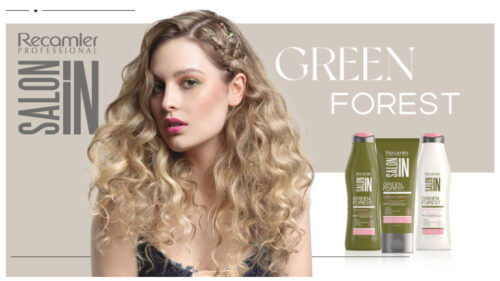
Salon in Recamier vegan shampoo
If you’re looking for salon-grade, plant-powered care, Salon in Recamier’s Vegan Keratin & Collagen line delivers. These shampoos are cruelty-free, salt- and sulfate-free, and rich in botanical proteins to restore shine and manageability (Salon in Recamier). As one of the [best shampoo for females], it’s designed to enhance elasticity and softness without weight.
Alfaparf Milano OLOS shampoo
Alfaparf Milano’s OLOS range champions eco-conscious haircare with formulas made in Italy featuring plant extracts and sustainable surfactants. While not every product claims USDA certification, the brand commits to biodegradable ingredients and minimal environmental impact (ShopAlfaparfUSA). For a deeper cleanse between showers, consider the Semi di Lino Sublime Hair Detox Mask, ideal after days by the pool.
How to switch gradually
Gradual transition tips
- Start by alternating your usual shampoo with a natural shampoo once a week
- Increase frequency each wash until you’re fully transitioned
- Rinse thoroughly—natural formulas may feel different at first
Pair with the right conditioner
Natural shampoos can shift your hair’s moisture balance. To lock in hydration:
- Always follow with a matching clean conditioner
- Refresh your technique with our [conditioner or shampoo first] guide
- Explore sustainable sets in our [best shampoo and conditioner brand] list
Frequently asked questions
Can natural shampoo help with oily hair?
Yes, plant-based surfactants gently lift excess oil without stripping your scalp. For targeted control, check our [shampoo for oily hair] recommendations.
Will natural shampoo support hair regrowth?
By avoiding harsh sulfates and parabens you reduce scalp irritation, creating a healthier environment for growth. Discover specialized formulas in our [shampoo for hair regrowth] guide.
Should I shampoo or condition first?
In most routines you shampoo first to cleanse, then condition to seal the cuticle. Learn more in our [conditioner or shampoo first] article.
Is natural shampoo suitable for color-treated hair?
Absolutely. Most 100% natural shampoos are free of sulfates that can fade color, making them ideal for dyed or highlighted hair.
How often should I use natural shampoo?
It depends on your scalp type. Start with 2–3 washes per week and adjust—over-washing can dry hair, under-washing can lead to buildup. Monitor your hair’s response and tweak frequency accordingly.