
Hair Product
What ingredients are best for dry and brittle hair?
Nov
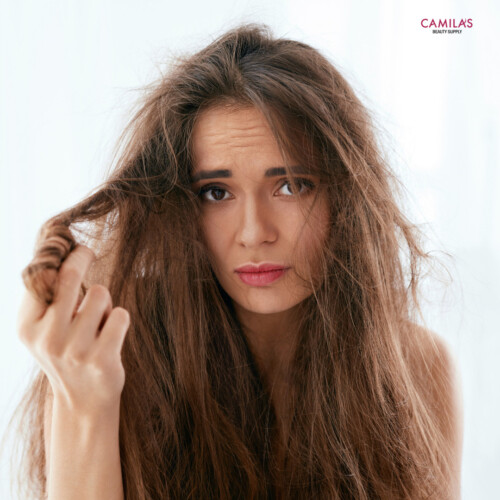
When your strands feel parched and prone to breakage, you need a conditioner for dry hair that delivers targeted hydration and repair. By choosing products rich in humectants, emollients, and strengthening proteins, you’ll transform brittle locks into soft, resilient tresses. Let’s dive into the key ingredients, label tips, and top product examples you can trust.
Understand dry brittle hair
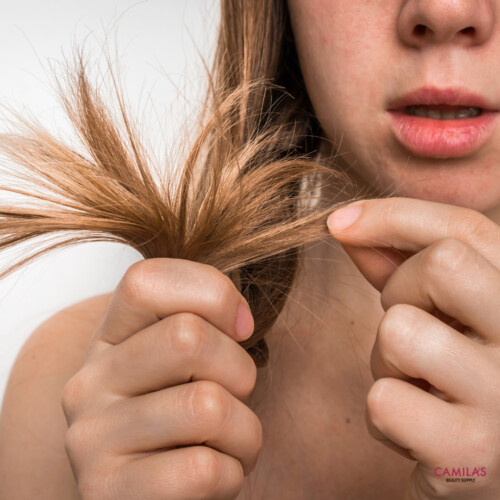
Your hair becomes dry and brittle when its cuticle layer is compromised, allowing moisture to escape. Environmental stressors like sun exposure, heat styling, and chemical treatments erode the lipid barrier that locks in hydration. The result? Rough texture, increased tangles, and breakage under tension. Recognizing dryness as a moisture imbalance helps you zero in on the right ingredients in your next conditioner for dry hair.
Look for moisturizing ingredients
Target ingredients that replenish water content and improve manageability. The three main categories are:
| Ingredient type | Examples | Key benefits |
|---|---|---|
| Humectants | Glycerin, panthenol | Attract and bind moisture |
| Oils | Argan oil, jojoba oil | Seal cuticle, add shine |
| Proteins | Keratin, amino acids | Rebuild damaged hair bonds |
- Humectants such as glycerin and panthenol draw moisture from the environment into the hair shaft, helping strands stay hydrated longer.
- Oils like argan oil and jojoba oil act as emollients, smoothing the cuticle and locking in hydration.
- Proteins including keratin and hydrolyzed amino acids fill gaps along the hair cortex, reducing breakage and boosting strength.
Explore repair-focused molecules
Beyond hydration, you need ingredients that restore strength and elasticity:
- Ceramides and fatty alcohols: Reinforce the cuticle barrier and reduce water loss.
- Shea butter and natural butters: Nourish dry ends with rich fats and antioxidants.
- Botanical extracts like aloe vera: Soothe the scalp, reduce flaking, and support moisture retention.
Choose gentle cleansing agents
Harsh sulfates can strip natural oils and worsen dryness. Look for:
- Sulfate-free surfactants such as sodium lauroyl methyl isethionate or cocamidopropyl betaine.
- A pH-balanced formula around 4.5–5.5 to keep your cuticle flat and moisture sealed.
- No added sulfates or salt, which can dehydrate sensitive hair types.
Consider proven product examples
To put these ingredients into action, here are top conditioners formulated for dry, brittle hair:
Alfaparf Milano’s Semi di Lino Moisture line
Alfaparf Milano’s Semi di Lino Moisture conditioner is enriched with essential lipids and moisture-binding polymers to restore softness and manageability. It’s specially designed for dry hair, delivering long-lasting hydration from root to tip (Alfaparf USA).
Salon in Recamier’s lineup
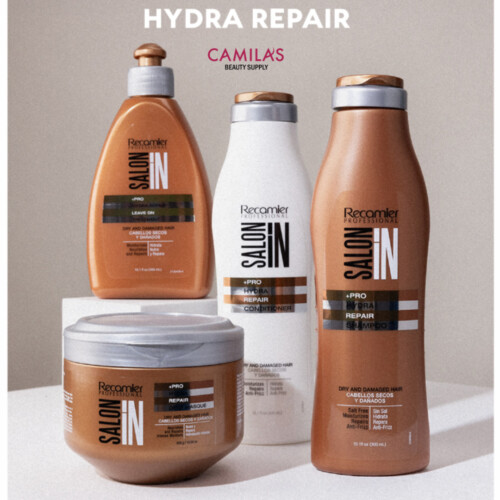
Salon in Recamier offers several conditioner sets free from sulfates and salt to protect moisture levels (Salon in Recamier):
- Hydra Repair: Argan oil and 11 amino acids replenish hydration and strengthen strands.
- Curls & Waves: Keratin, jojoba oil, and biotin hydrate and define curly textures without weighing them down.
- Vegan Keratin & Collagen: Plant-based keratin and botanical actives boost elasticity and shine.
Customers ordering over $35 get free shipping, and first-time buyers enjoy 15% off.
Evaluate ingredient labels-What ingredients are best for dry and brittle hair?
When you compare conditioners, scan the ingredient list in order of concentration. Aim to see humectants and oils within the first five ingredients. Watch out for sulfates, parabens, and drying alcohols like isopropyl alcohol. If you’re not sure whether to apply shampoo or conditioner first, check our guide on conditioner or shampoo first to optimize your routine.
Frequently asked questions
- What is the best conditioner for extremely dry hair?
Look for products with glycerin, argan oil, and hydrolyzed keratin, such as Alfaparf Milano’s Semi di Lino Moisture line. - How often should I use a deep conditioner?
Use a deep conditioning mask once a week, and your regular conditioner after every shampoo to maintain hydration. - Can ingredients like shea butter weigh down fine hair?
Choose lightweight formulations or use a small amount, focusing on mid-lengths and ends to avoid buildup at the roots. - Are sulfates always bad for dry hair?
Sulfate-free cleansers are gentler, but mild sulfates can work if balanced by rich moisturizers and a pH-friendly formula. - Is natural oil a substitute for conditioner?
Oils add shine and seal moisture but don’t deliver the humectants and proteins found in conditioners. Use them as a complement rather than a replacement.
Remember, the right combination of humectants, emollients, and proteins in your conditioner for dry hair will transform brittle strands into soft, resilient locks. Armed with these insights, you can shop smarter and restore your hair’s natural vitality.