
Hair Color
How to determine the right hair color for you?
Sep
Nearly half of adults have about 50 percent gray hair by age 50 (American Academy of Dermatology). Deciding whether to go darker or lighter with your hair color as you age can feel daunting when you’re balancing style, upkeep, and gray coverage. Good news, choosing a shade that complements your skin tone and lifestyle doesn’t have to be a chore. Here’s how to determine the right hue for your ever-evolving look.
Identify your skin undertone
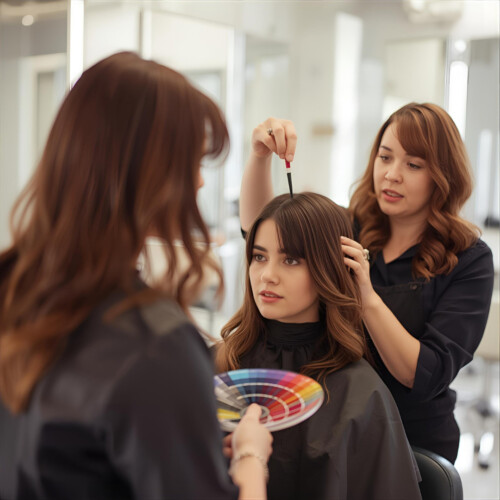
Your skin’s undertone guides which shades will make your complexion glow.
- Warm undertones (yellow, peachy) look radiant with golden or honey hues.
- Cool undertones (pink, bluish) pair nicely with ash or platinum shades.
- Neutral undertones can handle most colors without clashing.
To test your undertone, look at the veins on the inside of your wrist in natural light. Greenish veins signal warm undertones, bluish veins signal cool, and a mix suggests neutral. Once you know your undertone, you’ll have a clear starting point for choosing darker or lighter shades.
Evaluate your coverage goals- How to determine the right hair color for you?
First, decide how much gray you want to hide and how often you’re willing to touch up roots.
| Dye type | Coverage | Longevity | Upkeep* |
|---|---|---|---|
| Semi-permanent | Tonal refresh | 4–6 washes | Low, fades evenly |
| Demi-permanent | Gray blending | 6–12 washes | Moderate upkeep |
| Permanent | Full gray coverage | 8+ weeks | Regular roots |
*Based on 10-volume developers
Demipermanent dyes last longer than semi-permanent formulas because they use color precursors, a 10-volume oxidant, and milder alkalis like monoethanolamine (Salerm). If gray coverage ranks high on your list but you d read less damage than a permanent tint, a demi formula can hit the sweet spot. For more on matching coverage to your goals, see what color is best to cover grey hair?.
Balance contrast and upkeep
Choosing a darker or lighter shade affects both your look and your maintenance.
- Going darker
– Pros: root lines blend more naturally, can add warmth and richness
– Cons: may feel heavy or close to your scalp if too dark - Going lighter
– Pros: brightens your face, creates dimension, youthful vibe
– Cons: more frequent touch-ups, potential for dryness or damage
Weigh these trade-offs against how much time and effort you’re willing to invest between salon visits or at-home applications.
Consider your maintenance and lifestyle
Your daily routine and styling habits play a big role in keeping color fresh.
- Heat styling: frequent blow-drying or straightening can fade color faster
- Sun exposure: UV rays can dull pigments within weeks
- Workout routine: chlorine or saltwater may strip dyes
Good news, you can protect your shade with a color-safe shampoo, a UV-protectant spray, and weekly deep-conditioning masks. For more on preserving your hue, check hair color fading solutions.
Embrace professional formulations
Salon-grade tints often deliver more consistent results and added hair care benefits.
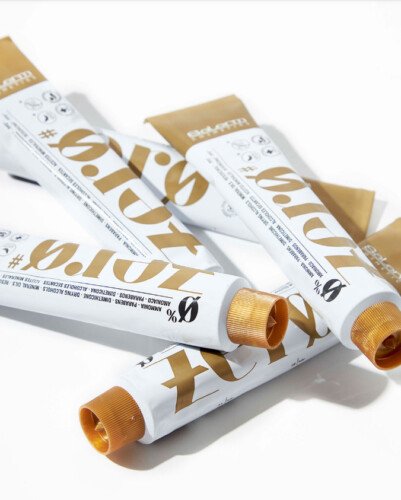
- Salermvision uses colouring micro-molecules for maximum purity, plus wheat germ and sweet almond oils for hydration (Salermvision).
- Professional permanent lines like Keyra, Alfaparf Yellow, and Salerm Zero offer improved coverage, vibrancy, and scalp comfort (Camila’s Beauty Supply).
Choosing a pro formula can help your color last longer, shine brighter, and feel healthier between appointments. If you’re not sure which line fits your budget or style, explore our guide on which hair color is the best?.
Quick recap and next steps
- Identify your undertone to narrow shade options.
- Decide on semi-, demi-, or permanent coverage.
- Weigh contrast benefits against upkeep needs.
- Factor in your styling and sun-exposure habits.
- Choose a professional formulation for lasting vibrancy.
Pick one of these steps and schedule a consult or at-home trial. You’ve got this, and your next hair color choice can feel like a refresh instead of a risk.
Frequently asked questions
Should I go darker or lighter as I age?
It depends on your undertone, maintenance tolerance, and personal style. Darker shades often hide roots better, while lighter hues can brighten your face. Think about how much time you’ll spend on touch-ups and pick a contrast level you’ll enjoy.
What hair color looks best on an older woman?
Shades that complement your natural undertone and soften contrast tend to look most flattering. For detailed inspiration, see what hair color looks best on an older woman?.
How do I cover gray roots effectively?
Permanent tints offer full gray coverage, while demi-permanent formulas give a softer blend. You can find step-by-step tips in our how to correct hair color guide.
How can I prevent hair color from fading?
Use color-safe products, avoid excessive heat, and protect your strands from UV rays. Check out more strategies in hair color fading solutions.
How long do demi-permanent dyes last?
On average, demipermanent dyes hold for 6–12 washes, depending on your hair porosity and shampoo routine. They’re a lower-commitment way to blend grays and experiment with shade.