
Hair Product
What autoimmune diseases cause hair loss?

Mar
Understand autoimmune hair loss
Autoimmune hair loss can feel frustrating when you notice thinning patches or increased shedding with no clear explanation. Autoimmune hair loss happens when your immune system mistakenly attacks hair follicles, triggering conditions like alopecia areata and lupus that disrupt the normal growth cycle. As one of the key medical causes of hair loss in women, it demands a targeted approach.
What is autoimmune hair loss?
In autoimmune hair loss, your immune system identifies healthy hair follicles as threats and mounts an inflammatory response. This interference halts new hair growth and weakens existing strands. You may hear the term autoimmune alopecia to describe this process, as the underlying mechanism is immune mediated.
How it affects your hair
You may experience smooth, round patches of shedding in some areas while other zones remain untouched. In certain cases, the loss can spread across larger regions of your scalp or even lead to diffuse thinning throughout. Recognizing these patterns early helps you focus on the right solutions.
Recognize key diseases
Autoimmune reactions come in various forms, each with its own hair-loss profile. Understanding the triggers helps you narrow down potential diagnoses.
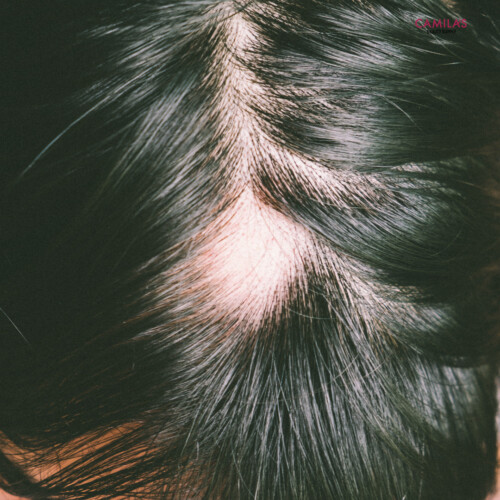
Alopecia areata is a common immune disorder that causes patchy hair loss on the scalp and body. You may find coin-sized bald spots that appear suddenly. In some cases, the condition advances to alopecia totalis, leading to full scalp hair loss.
Lupus erythematosus
Both systemic and discoid lupus involve immune attacks on skin and hair follicles. When lupus affects your scalp, you might see scarring, redness and gradual thinning. Timely management prevents permanent damage.
Thyroid disorders
Hyperthyroidism and hypothyroidism can trigger autoimmune hair loss as your hormones go out of balance. A thyroid panel reveals overactive or underactive thyroid glands. You may link this to other hair loss causes in women like hormonal shifts.
Identify your symptoms- What autoimmune diseases cause hair loss?
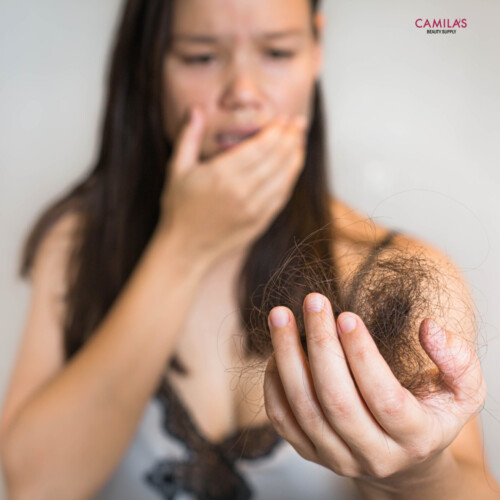
Monitoring your scalp and hair health helps you spot autoimmune hair loss before it progresses.
Patterns of hair thinning
- Patchy spots that grow over weeks
- Diffuse thinning on the crown or temples
- Sudden overall shedding during combing or washing
Signs to monitor
- Scalp redness or irritation
- Small white bumps at follicle openings
- Changes in nail texture or ridges
If you notice these signs, compare notes with our causes of thinning hair guide.
Explore diagnosis options
Accurate diagnosis is the first step toward regaining a full, healthy head of hair.
Medical evaluations
Begin with a primary care visit or dermatologist consultation. You’ll review your medical history, family history and any recent health changes.
Tests and screening
- Blood tests for thyroid function, vitamin D, iron and autoimmune markers
- Antinuclear antibody (ANA) screening for lupus
- Scalp biopsy to confirm follicle inflammation
Your doctor uses this information to tailor a treatment plan that addresses the root cause.
Review treatment plans
Treating autoimmune hair loss requires a mix of medical therapies and lifestyle tweaks.
Medications and therapies
- Topical or injected corticosteroids to calm inflammation
- Oral immunosuppressants such as methotrexate or cyclosporine
- FDA-approved minoxidil to stimulate regrowth
Topical solutions
When washing thinning hair, choose gentle, residue-free formulas. Your dermatologist may prescribe topical immunotherapy with diphencyprone or anthralin to provoke a controlled rash that resets the immune response.
Lifestyle adjustments
Stress can worsen autoimmune flares. Incorporate meditation, yoga or regular exercise into your routine. Protect your scalp from harsh styling tools and tight hairstyles that strain follicles.
Upgrade your hair care
Your daily hair regimen plays a critical role in supporting regrowth and minimizing breakage.
Recommended shampoos and conditioners
When selecting your cleanse and condition steps, look for products that boost strength and moisture. You can also explore our top picks in best shampoo for hair loss and our roundup of best products for female hair loss. Below are brand recommendations tailored to weakened strands:
- Salerm Fiberboost shampoo, Fiberboost conditioner
- Alfaparf Milano Semi di Lino Diamond shampoo, Shine conditioner
- Trussprofessional Reducto shampoo, Blow System Therapy
- Saloninrecamier Scalp Revitalizing shampoo, Energizing conditioner
- Tree Liss Keratin Repair shampoo, Keratin Repair conditioner
Targeted treatments

For an extra boost, incorporate these high-impact treatments into your regimen:
| Brand | Treatment | Benefit |
|---|---|---|
| Salerm | Evolution treatment kit | Stimulates follicle activity |
| Alfaparf Milano | Semi di Lino Diamond mask | Rebuilds hair fiber structure |
| Trussprofessional | Blow System Therapy | Provides thermal protection |
| Saloninrecamier | Scalp Revitalizing tonic | Energizes scalp and roots |
| Tree Liss | Keratin Repair mask | Deep repair and smooth finish |
Leverage nutrition and supplements
Optimizing your diet and supplement routine strengthens hair from within.
Vitamins and minerals
Key nutrients for autoimmune hair loss include iron, vitamin D, zinc and biotin. You can find targeted blends in hair thinning vitamins and vitamins for hair loss. Keeping these levels balanced supports healthy growth.
Oils for growth
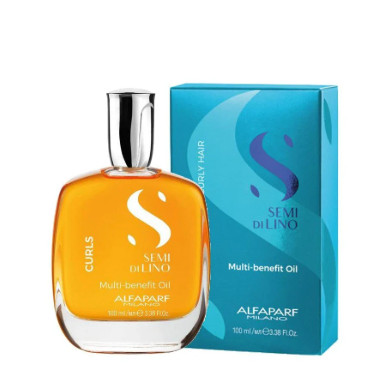
Scalp massage with nutrient-rich oils improves circulation and delivers fatty acids. Try argan oil or castor oil daily, or explore our guide to the best oil for hair growth. Pair this with natural hair thinning treatment techniques like aloe vera and green tea rinses.
For broader support, consider hair thickening solutions to instantly boost volume and make regrowth more noticeable.
Answer common questions-
What autoimmune disease most often causes hair loss?
Alopecia areata is the top culprit for patchy bald spots, while lupus can lead to scarring and diffuse thinning.
- Is autoimmune hair loss reversible?
Many people see regrowth with early intervention and consistent treatment. Options like corticosteroids and minoxidil can restore up to 80 percent of lost hair. - How do doctors diagnose autoimmune hair loss?
Through a combination of scalp exams, blood tests for thyroid and autoimmune markers, and sometimes a scalp biopsy. - Can changing my shampoo help my hair grow back?
Choosing gentle, nourishing formulas reduces breakage and supports a healthy scalp environment. Check out our picks in best shampoo for hair loss. - Are dietary changes effective against autoimmune hair loss?
Yes, maintaining adequate iron, vitamin D and biotin levels helps your follicles stay active. Explore supplements in hair thinning vitamins.