
Hair Product
What vitamin are you lacking if your hair is thinning?

Feb
If you’ve noticed your ponytail getting thinner or extra strands clogging the shower drain, you’re not alone. Hair thinning vitamins play a key role in keeping your locks strong and vibrant. When your body lacks essential nutrients, hair follicles can shrink, slow growth, or even stop producing new strands. In this article you’ll learn which vitamins and minerals support healthy hair, how to spot deficiencies, and which shampoos, conditioners, and treatments from top brands can give you visible results.
Essential vitamins for hair-
What vitamin are you lacking if your hair is thinning?
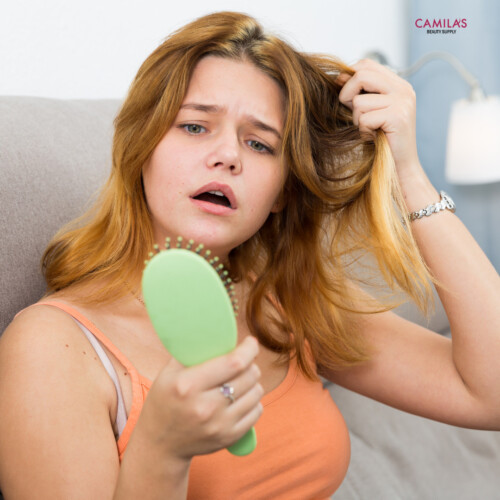
Your diet and supplement routine should include a range of hair thinning vitamins to cover every angle of hair health. Here are the main players:
Vitamin A
- Helps scalp glands produce natural oils that keep hair moisturized
- Found in sweet potatoes, carrots, spinach
B-complex vitamins

- Biotin (B7) strengthens hair shaft, reduces breakage
- B12 supports red blood cell formation, delivering oxygen to follicles
- Sources: eggs, nuts, leafy greens
Vitamin C
- Antioxidant that protects follicles from free radicals
- Aids iron absorption for better circulation
- Found in citrus fruits, bell peppers, strawberries
Vitamin D
- May help create new follicles for thicker hair
- Sun exposure and fatty fish are primary sources
Vitamin E
- Improves scalp circulation and hair moisture
- Found in almonds, sunflower seeds, avocados
Minerals
- Iron: low levels can trigger hair loss (see hair loss deficiency)
- Zinc: aids protein synthesis and follicle repair
- Sources: red meat, legumes, pumpkin seeds
You can find more tips on balancing your intake in our guide to vitamins for hair loss.
Diagnose vitamin deficiencies
Before you start popping supplements, you’ll want to confirm which nutrients you’re missing. Consider these steps:
- Review your diet. Are you eating a range of colorful fruits, vegetables, lean proteins, and whole grains?
- Track your symptoms. Thinning hair often comes with fatigue, brittle nails, or dry skin.
- Schedule lab tests. A simple blood panel can check iron, vitamin D, B12, and more. Talk to your doctor about medical causes of hair loss if levels are off.
- Address underlying factors. Hormonal changes, stress, and autoimmune issues can block nutrient absorption (see autoimmune hair loss).
Testing ensures you’re not guessing, and it helps you choose targeted supplements.
Choose hair care brands
| Brand | Product type | Key benefit |
|---|---|---|
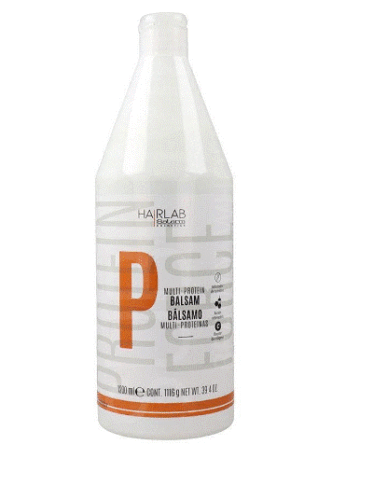
| Salerm | Shampoo & conditioner | Strengthens weakened strands, reduces breakage |
| Alfaparf Milano | Volumizing mask | Adds instant body, enhances manageability |
| Trussprofessional | Treatment ampoules | Delivers a boost of proteins and vitamins |
| Salon in Recamier | Hair tonic | Stimulates scalp circulation, supports growth |
| Tree Liss | Nutritive hair oil | Seals cuticles, nourishes with essential fats |
- Salerm’s formulas are pH-balanced to protect your scalp barrier. Pair with their reparative conditioner for softer, fuller hair. See our picks for best shampoo for hair loss.
- Alfaparf Milano volumizing masks are rich in Cysteine and keratin, plumping each strand from root to tip.
- Trussprofessional ampoules provide an intensive shot of amino acids, ideal for weekly treatments.
- Salon in Recamier hair tonic combines hyaluronic acid with botanical extracts to awaken dormant follicles.
- Tree Liss nutritive oils lock in hydration and can be used as a pre-wash treatment or finishing polish. Check out top best oil for hair growth options.
All five brands work alongside your vitamin strategy to support thicker, healthier hair. Explore more hair thickening solutions and thinning hair remedies for holistic care.
Maximize your results
To boost the impact of hair thinning vitamins and targeted hair care:
- Follow a consistent routine. Use nutrient-rich shampoo and conditioner 2–3 times per week.
- Rotate treatments. Combine mask days with ampoule or oil treatments to avoid product buildup.
- Supplement wisely. Take multivitamins or single-nutrient supplements after meals to improve absorption.
- Protect your strands. Limit heat styling and harsh chemicals that can worsen thinning.
- Stay hydrated and manage stress. Both affect nutrient delivery to hair follicles.
Small changes add up. By syncing your diet, supplements, and salon-grade products you’ll see stronger regrowth and fuller texture.
When to seek help
If you’ve optimized your nutrition and hair care for 3–6 months with minimal improvement, it’s time to consult a specialist. Consider a dermatologist or trichologist to rule out:
- Thyroid imbalances
- Autoimmune disorders
- Scalp infections
- Genetic conditions (see female hair thinning)
Early intervention gives you the best chance to stop hair loss and regain confidence in your hair’s appearance.
Frequently asked questions
- What vitamin is most critical for hair thinning?
Biotin often tops the list because it directly supports keratin production, but a balanced B-complex works best. - How long before I notice vitamin-related improvements?
You may see changes in 8–12 weeks once follicles complete a growth cycle. - Can too much vitamin A cause hair loss?
Yes, excessive vitamin A can lead to breakage. Stick to recommended daily allowances. - Are natural food sources better than supplements?
Whole foods provide cofactors that enhance absorption, but supplements help you reach therapeutic levels when diet falls short. - Should I change my shampoo routine if I take supplements?
No, keep using gentle, volumizing formulas. You want a healthy scalp environment for your new growth.
With the right combination of hair thinning vitamins, targeted hair care, and professional guidance, you’re well on your way to stronger, fuller hair.