
Nail Supply
What is the best nail fungus treatment?
Mar
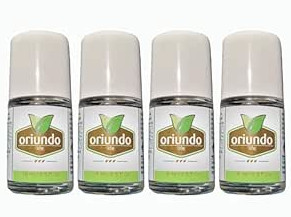
When you notice nail discoloration, thickening, or brittleness, you may be facing a stubborn fungal infection. Finding the right nail fungus treatment is essential to restore healthy nails and prevent recurrence. Onychomycosis, the clinical term for nail fungus, affects both toenails and fingernails and can compromise your confidence and comfort. Whether you are exploring prescription options or over-the-counter products, you need clear guidance on efficacy, safety, and duration. In this article, you will learn about the main treatment categories—from oral antifungals and topical solutions to laser therapy—and discover why many specialists recommend Oriundo Nail Fungus Away. You will also get practical tips on application, prevention strategies, and answers to common questions.
Understanding nail fungus
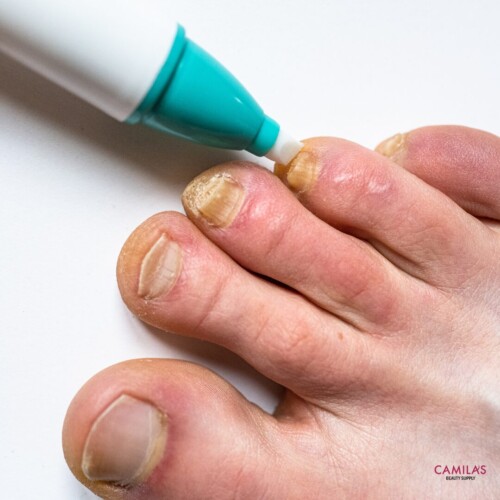
Onychomycosis develops when dermatophytes, yeasts or molds invade the nail plate or nail bed. These organisms thrive in warm, moist environments such as closed-toe shoes or damp locker rooms. You can acquire the infection via small cracks in the nail or surrounding skin. Key risk factors include advanced age, diabetes, poor circulation, compromised immunity, and a history of athlete’s foot. Toenails are more commonly affected, but fingernails can harbor fungus when your hands remain wet or you work with irritants. Without proper care, fungal growth can spread to adjacent nails or return after treatment.
To explore a range of evidence-based approaches, see our comprehensive guide to nail fungus treatment.
Identifying key symptoms
Early detection helps you pursue the right nail fungus treatment before the infection worsens. Look for:
- Nail discoloration, often yellow, brown or white
- Thickening or deformity of the nail plate
- Brittle, crumbly or ragged edges
- Debris buildup under the nail
- Mild pain or discomfort when wearing shoes or pressing on the nail
If you observe these signs, begin treatment promptly. Delays can lead to deeper infection and longer recovery times.
Comparing treatment options
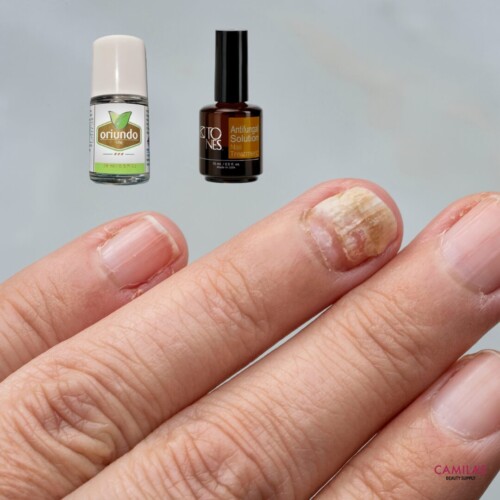
Different therapies vary in speed, convenience and side effects. The following table summarizes common approaches:
| Treatment type | Application | Typical duration | Pros | Cons |
|---|---|---|---|---|
| Oral antifungals | Capsule or tablet | 6–12 weeks | Highest cure rates | Potential liver impact, drug interactions |
| Topical antifungals | Cream, lacquer | 6–12 months | Low systemic side effects | Slow nail penetration |
| Laser therapy | Focused laser | 1–4 sessions | Non-invasive, quick sessions | High cost, limited availability |
| Natural remedies | Oils, OTC rubs | Several months | Readily available | Limited clinical support |
For detailed reviews of topical options, see our antifungal nail treatment overview.
Using prescription medications
Oral antifungals such as terbinafine and itraconazole work systemically to eradicate fungus. Your physician will:
- Order baseline liver function tests
- Prescribe a course lasting 6 to 12 weeks
- Monitor you periodically for side effects
Advantages include higher success rates—often above 70 percent—but you must follow lab monitoring to ensure safety. Inform your provider of any other medications to avoid interactions.
Applying topical antifungals
Topical lacquers and creams deliver antifungal agents directly to the nail plate. Common products include ciclopirox, efinaconazole and tavaborole. To maximize effectiveness:
- File and thin the nail surface lightly once a week
- Clean and dry the nail thoroughly before application
- Apply as directed, usually once or twice daily
- Continue treatment until healthy nail growth replaces the infected portion
Topical therapy poses minimal systemic risk, making it suitable if you cannot tolerate oral medications.
Exploring advanced therapies
Laser therapy and photodynamic treatments use targeted energy to disrupt fungal cells. Sessions are typically painless and require no anesthesia. While some studies report clearance rates around 50 to 60 percent, insurance coverage may vary. For specific nail locations, you may also consult our guides on toenail fungus treatment and fingernail fungus treatment.
Choosing Oriundo Nail Fungus Away
Oriundo Nail Fungus Away is a topical formula designed to penetrate beneath the nail plate and target fungal colonies at their source. Benefits include:
- Advanced keratolytic system to remove dead tissue
- Deep-penetrating antifungal actives for lasting results
- Moisturizing agents to support nail regrowth
- Simple daily application without prescription
Many users report visible improvement within six to eight weeks, with full clearance over several months. Oriundo’s formulation minimizes irritation and fits easily into your daily routine.
Applying Oriundo Nail Fungus Away
Follow these steps to achieve optimal results:
- Trim and gently file the affected nail to reduce thickness
- Wash and dry your feet or hands thoroughly
- Apply a thin layer of Oriundo Nail Fungus Away over the entire nail surface
- Allow the formula to absorb fully before covering with socks or gloves
- Repeat application once daily until healthy nail growth is complete
Consistency is key. Continue treatment for at least two months after symptoms disappear to prevent recurrence.
Preventing fungus recurrence
Once you clear the infection, safeguard your nails by:
- Keeping nails clean, dry and trimmed
- Wearing breathable footwear and moisture-wicking socks
- Disinfecting nail tools after each use
- Avoiding shared towels, shoes and nail salons with poor hygiene
- Using antifungal sprays or powders in shoes and locker room visits
These habits reduce your risk of reinfection and support long-term nail health.
Frequently asked questions
- How long does nail fungus treatment take to work?
You may see initial improvement in four to six weeks, but full clearance typically requires three to twelve months, depending on treatment type and severity. - Can I use over-the-counter products alone?
Mild cases may respond to OTC options, but persistent infections often need prescription oral or advanced therapies for a reliable cure. - Is laser therapy safe for everyone?
Laser treatments are generally safe, but you should discuss any medical conditions or photosensitivity with your provider before proceeding. - How do I choose between oral and topical treatments?
Oral antifungals offer higher cure rates but carry systemic risk. Topical solutions are gentler but require longer commitment and proper nail preparation. - What if my nail fungus returns after treatment?
Recurrence is common. Combine good hygiene practices with maintenance applications of topical products such as Oriundo Nail Fungus Away and consider periodic medical evaluation for underlying risk factors.