
Hair Product
What happens if I apply conditioner before shampoo?
Jan
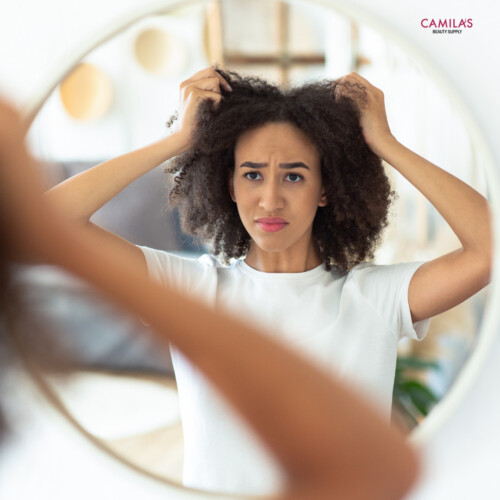
If you’ve ever wondered whether it’s better to apply conditioner or shampoo first, you’re not alone. In Miami’s sun and humidity, you want your hair to feel fresh without stripping essential moisture. Reversing the usual order can help you detangle, hydrate, and clarify in one go.
Understanding wash order
Traditionally, you shampoo to remove oil, dirt, and styling products, then follow with conditioner to seal in moisture. The reversed wash, sometimes called the reverse-lather method, flips those steps: you start with conditioner, then shampoo. This approach can leave strands softer without weighing down roots, especially if you struggle with dryness or tangles.
Benefits of conditioning first

- Easier detangling: Slathering on conditioner before shampoo helps smooth the cuticle, so knots slip apart with less breakage.
- Balanced hydration: You’ll coat each strand before cleansing, which locks in moisture rather than washing it away.
- Root lift: Shampooing last means your roots get a fresh rinse, reducing the flat, greasy feel you sometimes get after a heavy conditioner.
How to apply conditioner
- Wet your hair thoroughly with warm water.
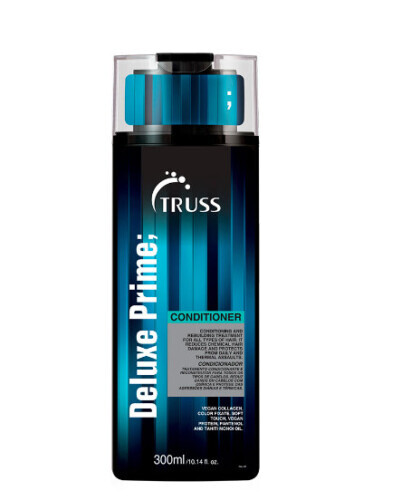
- Work a quarter-sized amount of conditioner into mid-lengths and ends, focusing on areas that feel dry. You can choose a richer formula like conditioner for dry hair or a lightweight detangler based on your needs.
- Massage your scalp gently with your fingertips—this step helps loosen product buildup without stripping natural oils.
- Rinse partially, leaving a thin layer of conditioner on your strands.
- Apply your regular shampoo, such as a gentle natural shampoo or a clarifying shampoo for oily hair if your scalp feels heavy.
- Rinse thoroughly and follow with your styling routine.
Considerations before switching
- Hair type: Fine or low-porosity hair may not need the extra slip; you could end up with limp strands.
- Product choice: Heavier creams can leave residue if you don’t rinse well. Stick with formulas that rinse clean, and avoid silicone-heavy conditioners if you’re prone to buildup.
- Scalp concerns: If you’re dealing with dandruff or sensitivity, a targeted shampoo for hair regrowth or a medicated formula might work better in the traditional order.
Tips for best results
- Adjust frequency: Try reverse washing once or twice a week and see how your hair responds.
- Tweak water temperature: Finish with a cool rinse to seal the cuticle and boost shine.
- Pair with the right brands: Explore our picks for the best shampoo and conditioner for hair or check out the best shampoo and conditioner brand roundup to find your match.
- Protect color: If you color-treat your hair, look for sulfate-free and UV-protecting formulas.
- Layer treatments: For extra conditioning, use a leave-in mask after your shower.
Ready to see which products work best with reverse washing? Browse our complete guide to the best shampoo and conditioner for hair.
Frequently asked questions-
You’ll add slip and moisture before cleansing, which can make detangling easier and prevent over-stripping your ends.
- Will my roots feel weighed down?
If you rinse shampoo thoroughly at the end, you’ll still get that clean-scalp feel. Shampoo last to lift away oil at the roots. - Is reversed washing safe for color-treated hair?
Yes, as long as you choose color-safe, sulfate-free shampoos and conditioners. The extra hydration can even help maintain vibrancy. - How often should I try this method?
Start with once a week. Pay attention to how your hair feels—if it’s too soft or limp, dial back or switch products. - Can everyone benefit from applying conditioner before shampoo?
It works best for dry, damaged, or frizzy hair. If your hair is very fine or already oily, stick to the traditional shampoo-then-conditioner routine.