
-
×
 Red Louboutin-678DND
1 × $9.00
Red Louboutin-678DND
1 × $9.00 -
×
Red Lake, MN 562DND
1 × $9.00
 Red Louboutin-678DND
  Red Lake, MN 562DND
 Nail Supply
Can nail fungus be cured permanently?
09
Mar
Mar
Understand nail fungus
If you have persistent discoloration, thickening, or brittleness of your nails, you may be dealing with onychomycosis, commonly known as nail fungus. Nail fungus occurs when dermatophyte organisms, yeasts, or molds invade the nail plate and bed, feeding on keratin. Without prompt nail fungus treatment, the infection can spread to adjacent nails or skin, causing discomfort and cosmetic concerns.
Key risk factors include:
- Warm, humid environments that promote fungal growth
- Poor foot hygiene or prolonged exposure to wet socks and shoes
- Immunocompromised status or circulatory issues
- History of athlete’s foot or other skin infections
Your healthcare provider can confirm onychomycosis through visual inspection, fungal culture, or microscopic examination of nail clippings. Early diagnosis helps you select an effective therapy before the infection deepens.
Explore treatment options
Successful clearance of nail fungus hinges on choosing the right approach and maintaining consistent care. Your options include topical agents, oral medications, and complementary home remedies.
Topical treatments
Topical antifungal lacquers and creams deliver active ingredients directly to the infected nail. Common formulations contain ciclopirox, amorolfine, or newer agents designed to penetrate the nail plate. When using a nail lacquer:
- Clean and file your nail surface to improve absorption
- Apply daily or as directed on the label
- Continue treatment for at least six months, even if symptoms improve
For targeted solutions, consider an antifungal nail treatment designed to reach the nail matrix. Topical therapy is generally well tolerated but may require longer application than oral options.
Oral medications
Oral antifungals such as terbinafine or itraconazole offer higher cure rates by achieving effective drug levels in the nail bed. Typical regimens last:
- Terbinafine: 250 mg daily for 6 to 12 weeks
- Itraconazole: pulse dosing (e.g., 200 mg twice daily for one week per month) over two to three months
While oral therapy accelerates fungal clearance, you should have baseline liver function tests and periodic monitoring to detect potential side effects. Discuss with your provider whether this nail fungus treatment is appropriate for you.
Alternative and home remedies
Some patients explore natural or adjunctive remedies, including:
- Tea tree oil applications twice daily
- Vinegar soaks (one part white vinegar to two parts water) for 15 minutes
- Vicks VapoRub or other mentholated ointments applied under occlusion
Evidence for these methods is limited, and they may be most effective alongside approved topical or oral agents. If you have toenail fungus, a more aggressive protocol may be necessary—review options under toenail fungus treatment.
Evaluate Oriundo Nail Fungus Away
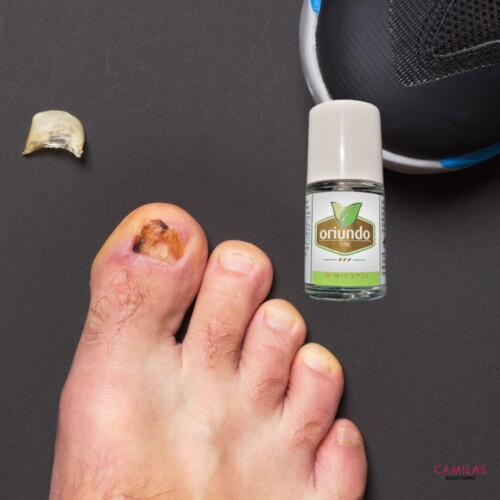
Oriundo Nail Fungus Away is an over-the-counter product formulated to combat onychomycosis at the source. Its proprietary blend of antifungal actives and keratolytic agents works to break down fungal structures and promote healthy nail regrowth.
Features and benefits
- Dual-action formula with antifungal and exfoliating components
- Rapid penetration into the nail plate
- Unscented, non-greasy topical solution
Application protocol
- Trim and file your nails gently to reduce thickness
- Apply Oriundo Nail Fungus Away once daily, ensuring full coverage of the nail surface and surrounding skin
- Allow the solution to dry completely before wearing socks or shoes
Consistent use for 12 to 24 weeks is recommended to clear infection and support normal nail growth.
Safety profile
Clinical testing indicates minimal risk of skin irritation or systemic absorption. If you experience redness or itching, cease application and consult your healthcare provider. For fingernail infections, review treatment guidance at fingernail fungus treatment.
Prevent fungal recurrence
Even after successful clearance, nail fungus can return without proper care. Adopt these preventive measures to safeguard your nails:
- Keep feet and hands clean and dry, changing socks daily
- Wear breathable footwear and moisture-wicking socks
- Disinfect nail tools between uses or use single-use files
- Avoid walking barefoot in communal areas such as locker rooms
In shared spaces, consider antifungal sprays or powders to reduce environmental contamination.
Monitor your progress
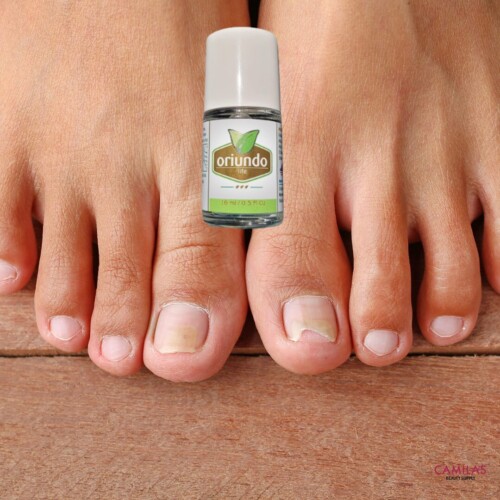
Tracking your response to therapy helps you and your provider make timely adjustments.
Timeline for improvement
- 4 to 6 weeks: reduction in discoloration and thickness
- 3 to 6 months: visible healthy nail growth at the base
- 9 to 12 months: full regrowth of a clear nail
When to consult a professional
If you notice:
- Worsening symptoms after three months of treatment
- Pain, swelling, or signs of bacterial infection
- Underlying health conditions that compromise healing
Your provider can evaluate alternative or combination therapies.
Maintenance therapy
After clearing the infection, consider periodic application of a topical antifungal as a preventive regimen, especially during humid seasons or if you have a history of recurrence.
Frequently asked questions
1. Can nail fungus be cured permanently?
A permanent cure depends on adhering to treatment and preventive protocols. Even after clinical clearance, reinfection can occur without proper hygiene and maintenance.
2. How long does nail fungus treatment take?
Most therapies require six to twelve months to fully replace the infected nail with healthy growth. Early improvement may be visible within weeks, but full resolution takes longer.
3. Are home remedies effective against nail fungus?
Home remedies can complement standard treatments but lack robust clinical evidence as standalone therapies. They work best when paired with topical or oral antifungal agents.
4. Can I use nail polish during treatment?
Avoid cosmetic nail polish or gel manicures during active treatment, as they trap moisture and hinder medication penetration.
5. When should I see a dermatologist?
Consult a specialist if you have diabetes, immune compromise, severe nail damage, or no improvement after three months of self-care and over-the-counter therapies.