
Nail Supply
How do I get rid of nail fungus?
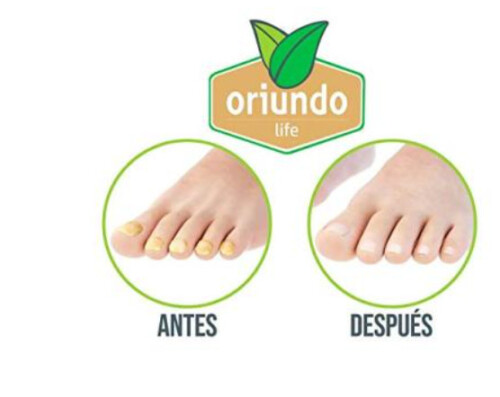
Mar
Understand nail fungus
Nail fungus, medically known as onychomycosis, is a common condition that affects the nail plate and surrounding skin. If you are researching nail fungus treatment, you will find a range of approaches designed to eradicate the fungi and restore nail health. Without effective intervention, the infection can spread to adjacent nails or skin, leading to discomfort and unsightly discoloration.
Fungi thrive in warm, moist environments, making toes more susceptible than fingers. However, both toenail fungus treatment and fingernail fungus treatment are essential to consider if you notice thickening, brittleness, or yellowing of the nail. Early recognition and prompt action improve your chances of a full recovery.
Identify common symptoms
Recognizing the signs of nail fungus enables you to begin treatment sooner. Common indicators include:
- Discoloration: white, yellow, or brown spots under the nail
- Thickening: nails become harder and more brittle
- Distortion: nail shape becomes irregular or crumbly
- Separation: nail lifts away from the nail bed
- Odor: a mild musty smell emanating from the infected nail
If you observe any combination of these symptoms persisting for more than two weeks, consult a healthcare provider or begin home-based nail fungus treatment.
Explore treatment options
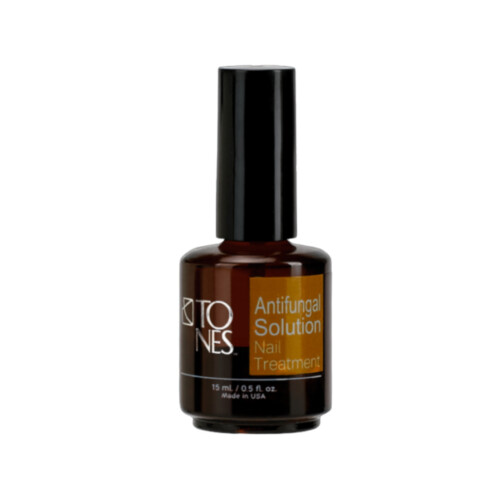
A spectrum of strategies exists for managing nail fungus, from topical applications to systemic therapies. Common options include:
- Topical antifungal treatments
- Over-the-counter creams and lacquers
- Prescription-grade solutions
- Example: antifungal nail treatment
- Oral medications
- Terbinafine or itraconazole courses
- Typically 6 to 12 weeks in duration
- Home remedies
- Tea tree oil or vinegar soaks
- Efficacy varies; supportive rather than curative
- Professional interventions
- Laser therapy
- Debridement by a podiatrist
Selecting the right approach depends on infection severity, nail location, and your medical history. You may combine topical and oral treatments under a clinician’s guidance for optimal results.
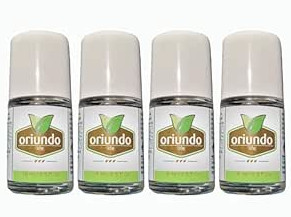
Use Oriundo Nail Fungus Away
For an accessible, targeted solution, consider Oriundo Nail Fungus Away. This product features a potent antifungal formulation that penetrates the nail plate to inhibit fungal growth. Key benefits include:
- Rapid absorption into the nail bed
- Clinically supported ingredients for broad-spectrum efficacy
- Easy-to-apply vial with brush-on precision
- Nonstaining and odor-neutral formula
To apply, cleanse and dry the affected nail, then brush Oriundo Nail Fungus Away directly onto the surface once daily. Consistent use over 4 to 6 weeks can deliver visible improvements. For the best outcome, combine this regimen with general nail fungus treatment practices such as keeping feet dry and wearing breathable footwear.
Prevent future reinfection
After clearing the infection, maintain nail health and reduce recurrence risk with these steps:
- Keep nails trimmed and filed to reduce fungal habitats
- Wear moisture-wicking socks and well-ventilated shoes
- Disinfect nail tools regularly, or use disposable files
- Avoid barefoot exposure in communal areas like pools or locker rooms
- Rotate shoes and allow them to air out between wearings
Integrating these habits into your routine supports long-term nail wellness and complements any ongoing antifungal protocol.
Frequently asked questions
- How long does nail fungus treatment take to work?
Treatment duration varies by severity. Topical regimens may require 4 to 12 weeks, while oral medications often run 6 to 12 weeks. Visible improvement can take several months as the nail grows out. - Can I use nail polish during treatment?
It is best to avoid nail polish, as it can trap moisture and impede topical penetration. If you must use polish, select breathable formulas and apply treatments underneath after each manicure. - Are home remedies effective against nail fungus?
Home remedies such as tea tree oil or vinegar soaks may provide symptomatic relief but rarely cure moderate to severe infections. They are most effective as complementary measures alongside proven treatments. - When should I consult a doctor for nail fungus?
Seek medical advice if symptoms worsen, spread to multiple nails, or do not improve after a month of home-based care. A healthcare provider can prescribe systemic therapy or recommend in-office procedures. - How can I distinguish nail fungus from nail injury?
Fungal infections typically cause gradual discoloration, thickening, and lifting of the nail. Injuries often present with bruising or immediate pain following trauma. Persistent changes warrant professional evaluation.