
Hair Product
How to Use Hair Oils Without the Grease: Nutri vs. Reconstructive

May
How to Use Hair Oils Without the Grease: Expert Guide to Nutritive vs Reconstructive Oils
Hair oils have become a staple in many beauty routines, offering a range of benefits from hydration to damage repair. However, the challenge often lies in using these oils without leaving a greasy residue. This guide will explore the differences between nutritive and reconstructive hair oils, helping you choose the right product for your hair type and needs. By understanding how to apply these oils effectively, you can enjoy their benefits without the unwanted greasiness. We will cover the definitions of these oils, their advantages, application techniques, and recommendations for the best non-greasy options available.
What Are Nutritive and Reconstructive Hair Oils?
Nutritive hair oils are designed to provide essential nutrients to the hair, promoting overall health and shine. They typically contain vitamins, fatty acids, and antioxidants that nourish the hair shaft and scalp. In contrast, reconstructive hair oils focus on repairing damaged hair by penetrating the hair cuticle and restoring its structural integrity. These oils often contain proteins and other strengthening agents that help rebuild the hair’s natural defenses. Understanding these differences is crucial for selecting the right oil for your specific hair concerns.
Research highlights the efficacy of specialized oils, such as miracle fruit seed oil, in addressing severe hair damage and breakage.
Miracle Fruit Seed Oil for Hair Breakage Repair
Lipids are major determinants of the physical properties of the hair.Synsepalum dulcificumseed oil (MFSO®; Miracle Fruit Oil Co., Miami Beach, Florida), is an exotic fruit oil with physicochemical properties suited to providing a superior ability to reduce hair breakage.Objective:To assess the safety and efficacy of a hair oil containing MFSO and its effects on hair breakage rates.
… of miracle fruit (Synsepalum dulcificum) seed oil (MFSO®) on the measurable improvement of hair breakage in women with damaged hair: A randomized, double …, 2017
Camila’s Beauty Supply offers a variety of hair oils, including both nutritive and reconstructive options, catering to different hair types and needs. Their selection ensures that you can find the perfect product to enhance your hair care routine.
Why Choose Non-Greasy Hair Oils for Effective Hair Care?
Non-greasy hair oils are essential for maintaining a healthy appearance without weighing down your hair. They provide hydration and nourishment without the heavy residue that can lead to a greasy look. These oils are particularly beneficial for individuals with fine or oily hair, as they can deliver moisture without compromising volume or texture. Additionally, non-greasy formulations often absorb quickly, allowing for easy styling and a lightweight feel.
Choosing non-greasy hair oils can also improve the overall health of your hair. By avoiding heavy oils, you reduce the risk of buildup on the scalp, which can lead to issues like dandruff or clogged follicles. This makes non-greasy oils a smart choice for anyone looking to maintain a clean and healthy scalp.
How to Apply Hair Oils Without Causing Greasiness?
Applying hair oils correctly is key to avoiding a greasy finish. Here are some effective techniques to ensure you get the most out of your hair oils without the unwanted residue:
What Are the Step-by-Step Techniques for Grease-Free Application?
- Start with Clean Hair: Apply hair oil to freshly washed hair to ensure better absorption.
- Use the Right Amount: A few drops are often sufficient for medium-length hair. Adjust based on your hair’s thickness and length.
- Focus on the Ends: Concentrate the application on the ends of your hair, where dryness and damage are most common, avoiding the roots.
- Warm the Oil: Rub the oil between your palms before application to help it spread more evenly and absorb better.
- Style as Usual: After applying, style your hair as you normally would. This helps to distribute the oil further and reduces the chance of greasiness.
Which Application Tips Help Maximize Nutritive and Reconstructive Benefits?
To enhance the benefits of both nutritive and reconstructive oils, consider the following tips:
- Frequency of Use: Use hair oils 1-2 times a week for best results, adjusting based on your hair’s needs.
- Combine Oils: Mixing different oils can provide a broader range of benefits. For example, combining a nutritive oil with a reconstructive oil can nourish and repair simultaneously.
- Pre-Shampoo Treatment: Apply oil as a pre-shampoo treatment to deeply condition your hair before washing.
What Are the Best Non-Greasy Hair Oils Available?
When searching for non-greasy hair oils, several options stand out for their lightweight formulas and effectiveness. Here are some of the best non-greasy hair oils available:
How Does Truss Hair Oil Compare in Lightweight Formula and Dual Benefits?
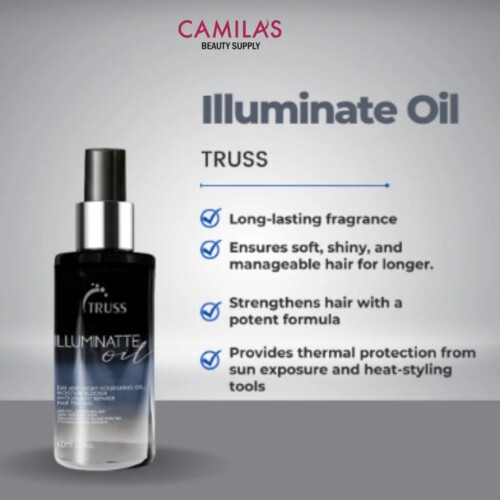
Truss Hair Oil is renowned for its lightweight formula that provides both nutritive and reconstructive benefits. It contains essential fatty acids and proteins that nourish the hair while repairing damage. Users often report that it leaves their hair feeling soft and manageable without any greasy residue. This makes it an excellent choice for those looking to maintain healthy hair without the weight of traditional oils.
Which Alternative Hair Oils Offer Nutritive and Reconstructive Properties?
In addition to Truss Hair Oil, several other oils offer similar benefits:
- Argan Oil: Rich in vitamin E and fatty acids, it hydrates and adds shine without greasiness.
- Coconut Oil: Known for its deep conditioning properties, it can be used sparingly to avoid heaviness.
- Castor Oil: While thicker, when used in small amounts, it can promote hair growth and strength without leaving a greasy finish.
What Professional Tips Enhance Hair Oil Use for Miami Beauty Experts?
Beauty professionals in Miami often recommend specific techniques for using hair oils effectively, especially considering the local climate’s humidity and heat.
How Do Beauty Professionals Apply Hair Oils to Avoid Greasiness?
Professionals suggest applying hair oils in small amounts and focusing on the mid-lengths to ends. They also recommend using oils as a finishing touch after styling to add shine without weighing hair down. Additionally, using a light misting of oil can help control frizz without making hair look greasy.
What Trends Are Driving Hair Oil Preferences in Miami Salons?
Current trends in Miami salons show a preference for lightweight, multi-functional hair oils that provide both nourishment and styling benefits. Many professionals are moving towards products that offer UV protection and humidity resistance, catering to the unique challenges posed by the local climate. This shift highlights the importance of selecting the right hair oil to meet both aesthetic and functional needs.
Different hair oils provide unique benefits that cater to various hair types and concerns. Understanding these differences can help you make informed choices for your hair care routine.
This comparison illustrates how selecting the right type of hair oil can significantly impact your hair’s health and appearance.