
Nail Supply
Does nail fungus treatment really work?
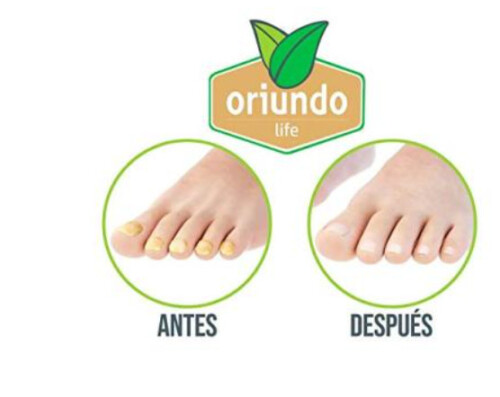
Mar
When you search for nail fungus treatment, you encounter an array of products and procedures promising rapid relief and lasting results. You may wonder which approach delivers true clearance and which simply manages symptoms. In this article, you’ll explore common therapies, learn how effectiveness is measured, and discover how Oriundo Nail Fungus Away offers a scientifically formulated solution for persistent infections.
Understanding nail fungus
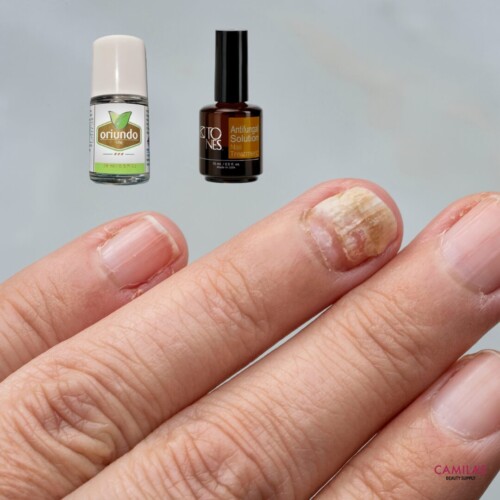
What is nail fungus?
Nail fungus, or onychomycosis, is a fungal infection that invades the nail plate and bed. It often originates from dermatophytes but can also involve yeasts or molds. Left untreated, the infection can spread, causing discoloration, thickening, brittleness and discomfort.
Common signs and symptoms
- Yellowing or whitening of the nail
- Crumbling edges and brittle texture
- Distorted nail shape or separation from the nail bed
- Mild to moderate discomfort when pressure is applied
If you notice any of these changes, early intervention improves the likelihood of full recovery.
Exploring treatment options
Topical therapies-Does nail fungus treatment really work?
Over-the-counter creams, medicated lacquers and prescription solutions represent common antifungal nail treatment. These preparations work by penetrating the nail plate to inhibit fungal growth. Topical options tend to be most effective for mild infections, particularly with fingernails. Seek specialized fingernail fungus treatment if you encounter persistent discoloration or thickening despite diligent application.
Oral medications
Prescription antifungals such as terbinafine and itraconazole circulate systemically to attack the fungus at its source. Oral agents often achieve higher cure rates than topical therapies, but they require medical supervision and periodic liver function tests. These systemic drugs are frequently prescribed for extensive toenail fungus treatment or cases that have not responded to topical regimens.
Professional procedures
Laser therapy and photodynamic treatments offer non-invasive alternatives for stubborn infections. Laser devices target fungal cells with precise wavelengths of light, disrupting growth without affecting surrounding tissue. Such interventions are typically available through dermatology clinics or podiatry offices and can be found under toenail fungus treatment service menus.
Evaluating treatment effectiveness
Factors affecting outcomes
The success of your chosen therapy depends on several variables:
- Severity and duration of infection
- Nail thickness and growth rate
- Underlying health conditions (for example, diabetes or circulatory issues)
- Consistency of application or dosage adherence
Accounting for these factors helps set realistic expectations and informs any necessary adjustments.
Treatment timeline
Nail growth is slow, and full clearance can take several months. You may observe cosmetic improvement within 6 to 12 weeks, but full eradication often requires 6 to 12 months of continuous care. Patience and persistence in following your prescribed protocol are essential to prevent relapse.
Introducing Oriundo Nail Fungus Away
Key features
Oriundo Nail Fungus Away is a scientifically advanced nail fungus treatment designed for deep penetration and sustained antifungal activity. Its proprietary formulation includes:
- Broad-spectrum antifungal agents targeting dermatophytes and yeasts
- Keratolytic enhancers to soften thickened nails
- Moisture-balanced carriers for optimal nail plate absorption
Usage instructions
- Clean and dry the affected nail thoroughly.
- Apply Oriundo Nail Fungus Away to the nail surface and surrounding skin once daily.
- Allow the formulation to absorb completely before wearing socks or shoes.
- Continue treatment until new, healthy nail growth replaces the infected portion—typically 3 to 6 months.
Always perform a patch test before initial use and consult your healthcare provider if you are pregnant or have underlying health concerns.
Maintaining healthy nails
Hygiene best practices
- Trim and file nails regularly to reduce thickness and facilitate treatment penetration
- Wear breathable socks and shoes that allow air circulation
- Disinfect footwear after professional toenail fungus treatment to minimize reinfection
- Sterilize manicure tools after fingernail fungus treatment to prevent cross-contamination
When to seek help
If you experience increased pain, swelling, redness or signs of secondary bacterial infection, consult a dermatologist or podiatrist without delay. Early professional intervention can prevent complications and optimize treatment outcomes.
Frequently asked questions
How long does treatment typically last?
Most treatments require consistent use for several months. Full nail renewal can take up to a year, though noticeable improvement often occurs within 2 to 3 months.
Can I use home remedies instead of medication?
Home remedies—such as tea tree oil or vinegar soaks—may offer mild antifungal effects but lack the potency and clinical validation of prescription or advanced topical treatments.
Is nail fungus treatment safe during pregnancy?
Topical formulations with minimal systemic absorption are generally preferred. Always discuss options with your healthcare provider to choose a regimen safe for you and your baby.
What should I do if symptoms worsen?
Discontinue any current over-the-counter treatments and schedule an appointment with a healthcare professional. You may require prescription medications or in-office procedures.
How can I prevent fungus recurrence?
Maintain strict foot and hand hygiene, keep nails trimmed, avoid walking barefoot in communal areas and rotate footwear to allow full drying between uses. Regularly inspect your nails for early signs of reinfection.