
Hair Product
How can I stop hair thinning naturally?
Mar
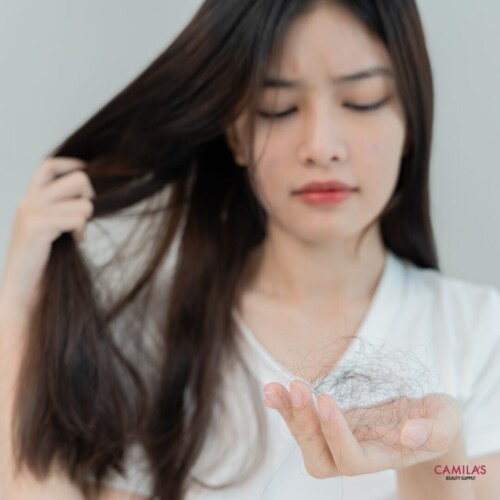
You’re probably searching for a natural hair thinning treatment that actually works. If you’re seeing more strands in your brush or ponytail, you can stop hair thinning naturally by tackling root causes, nourishing your scalp, choosing the right products, and refining your routine. Here’s how to get fuller, stronger hair—without harsh chemicals or expensive procedures.
Identify thinning hair causes
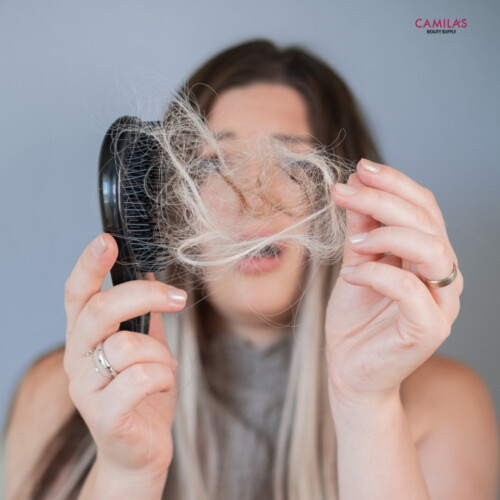
Before you launch any treatment, pinpoint why your hair is thinning. Common triggers include:
- Hormonal shifts during pregnancy, menopause, or with birth control
- Nutrient gaps such as low iron or vitamin D
- Chronic stress or poor sleep habits
- Mechanical damage from styling, tight ponytails, or heat tools
- Underlying health issues like thyroid imbalance or autoimmune hair loss
For a deeper look at the science behind shedding, check out our guide on causes of thinning hair.
Nourish scalp naturally
Your scalp health sets the stage for new growth. Two natural moves deliver big impact:
Scalp massage
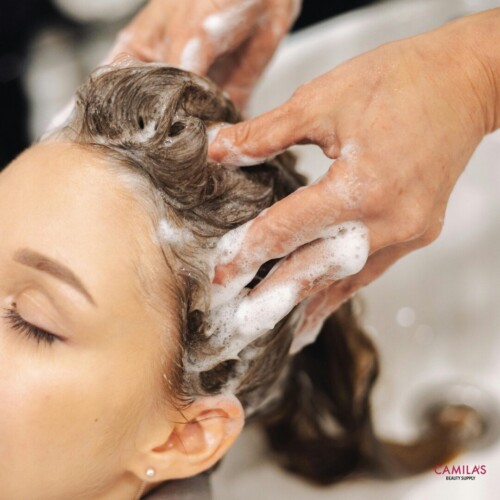
Spend 5 minutes daily kneading your scalp with fingertips. That boost in circulation brings more oxygen and nutrients to hair follicles.
Essential oils
Mix a few drops of rosemary, peppermint, or lavender oil into a carrier like jojoba. These plant extracts support microcirculation and may help you stop hair loss over time. For targeted growth, consider a proven blend—check our roundup of the best oil for hair growth.
Choose gentle hair care
Harsh cleansers and heavy styling products can accelerate thinning. Swap them for pH-balanced, sulfate-free options and weekly nourishing treatments.
Balanced shampoos
Look for formulas that cleanse without stripping. You’ll see less breakage and better fullness. Explore our picks for the best shampoo for hair loss.
Conditioning treatments
A light daily conditioner keeps strands smooth. Once a week, use a deep-repair mask. Below are five brand-backed regimens proven to strengthen fine hair:
Salerm
- Salerm 21 Shampoo: gentle cleanse with herbal extracts
- Salerm 21 Conditioner: detangles and boosts shine
- Salerm 21 Plus Treatment: fortifies fibers to reduce breakage
Alfaparf Milano
- Semi di Lino Reconstruction Shampoo: rebuilds weak areas
- Semi di Lino Reconstruction Balm: smooths cuticle for fullness
- Nutri Reconstruction Mask: deep-nourishing blend of proteins and oils
Trussprofessional
- Amino Fill Shampoo: restores elasticity with keratin amino acids
- Fiber Therapy Conditioner: seals in moisture and strengthens
- Fiber Recovery Mask: reinforces strands from core to tip
SaloninRecamier
- Silver Maintenance Shampoo: clarifies and prevents discoloration
- Professional Deep Conditioner: hydrates without weighing down
- Home Care Reconstruction Mask: maintains salon results at home
Tree Liss
- Botanical Smoothing Shampoo: cleanses with plant-based surfactants
- Botanical Smoothing Conditioner: smooths and seals the cuticle
- Botanical Reconstruction Treatment: intensive therapy for brittle strands
Support with diet and supplements
What you eat shows up in your hair. Build a meal plan that fuels growth:
Key vitamins
Biotin, zinc, iron, and vitamin D all play roles in follicle health. If you suspect gaps, explore targeted blends like hair thinning vitamins or our guide to vitamins for hair loss.
Healthy fats
Omega-3s from salmon, flaxseed, or chia support scalp hydration. Avocado and olive oil add extra antioxidants.
Adopt healthy hair habits
Small tweaks in styling and care prevent undue stress on every strand.
Gentle styling
- Limit heat tools to twice a week
- Opt for loose styles over tight ponytails or braids
- Use soft, snag-free accessories
Proper washing technique
- Shampoo at roots only, then rinse downward
- Condition mid-shaft to ends—avoid the scalp
- Rinse with cool water to seal the cuticle
- Find more tips in our washing thinning hair guide
Track progress and adjust
Hair grows slowly—about half an inch per month—so give each change at least 8–12 weeks. Keep a simple log:
- Take a photo at week zero
- Note products and rituals you’re using
- Snap progress shots each month
- Tweak one variable at a time (diet, massage, serum)
This method helps you see what really moves the needle on hair regrowth after thinning.
Frequently asked questions
How long before I see results from natural treatments?
Most women notice less shedding and improved density after 2–3 months of consistent scalp care, nutrition, and gentle styling.
Can essential oils really stop hair thinning?
Studies suggest rosemary and peppermint oils boost circulation and may match low-dose minoxidil in early trials. Always dilute before use.
Are there foods that help regrow hair?
Yes—protein-rich foods, leafy greens, nuts, seeds, and fatty fish supply the building blocks your follicles need.
How often should I use a hair mask?
Once a week is ideal. Over-masking can weigh hair down, while a single session won’t deliver lasting repair.
When should I see a doctor about thinning hair?
If you spot sudden, patchy loss, scalp irritation, or if shedding persists after 6 months of home care, consult a dermatologist to rule out medical causes of hair loss.