
Nail Supply
How do I treat severe toenail fungus?
Feb
Effective toenail fungus treatment begins with accurate diagnosis and a targeted approach. If you are struggling with a persistent or severe fungal infection of the nails, you need to understand why the condition develops, assess its severity, and explore all available options. This article guides you through proven strategies—from medical therapies to advanced products like Oriundo Nail Fungus Away—so you can restore healthy nails and prevent recurrence.
By following a structured plan and applying evidence-based methods, you increase your chances of overcoming onychomycosis effectively. You will learn how to identify warning signs, evaluate professional interventions, and incorporate daily habits that support lasting results.
Understanding toenail fungus
Causes and risk factors
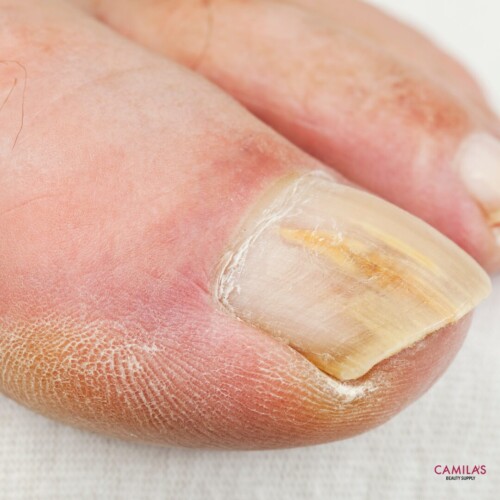
Toenail fungus, medically known as onychomycosis, occurs when dermatophytes or yeasts invade the nail bed. Warm, moist environments—such as sweaty shoes or public locker rooms—promote fungal growth. Additional risk factors include:
- Compromised immunity
- Diabetes or circulatory issues
- Aging, which slows nail growth
- Prior nail injuries
Why severe cases develop
Mild infections often begin at the nail edge and remain localized. Severe cases develop when you delay treatment or rely solely on home remedies with limited potency. Thickened, discolored nails trap more debris, creating a deeper reservoir for fungi to flourish. Once the infection penetrates the full nail plate, more aggressive therapy becomes necessary.
Assessing your condition
Identifying symptoms
You should monitor your nails for:
- Yellow, brown, or white streaks
- Crumbling or brittle texture
- Lifted or distorted nail shape
- Debris buildup beneath the nail plate
- Mild discomfort or pain when pressure is applied
When to see a professional
Consult a podiatrist or dermatologist if:
- You notice rapid changes in nail color or thickness
- You experience pain or swelling around the nail
- You have diabetes or compromised circulation
- Home-based measures fail after 4 to 6 weeks
A healthcare provider can confirm the diagnosis with a culture or microscopic examination and recommend prescription-strength options.
Exploring treatment options
Oral antifungal medications
Systemic treatments such as terbinafine or itraconazole target fungal cells from within. You typically take these pills for 6 to 12 weeks, but full nail clearance may take several months. Advantages include higher cure rates, though you must have liver function tests to monitor for side effects.
Topical antifungal solutions
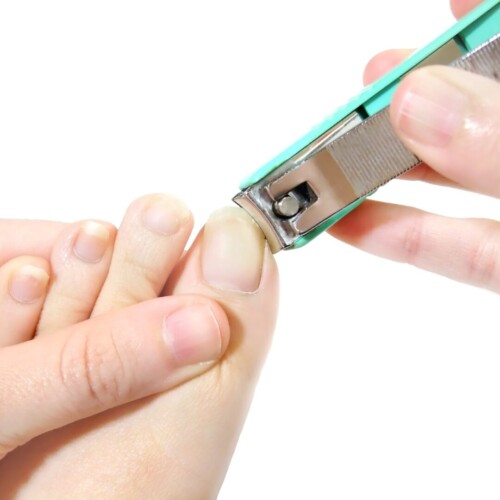
Creams, lacquers, and medicated varnishes are applied directly to the nail surface. While they have fewer systemic risks, penetration into thickened nails can be limited. You may need to file the nail plate beforehand and apply the product daily for at least six months. For more options, see our guide on nail fungus treatment.
Laser therapy and other procedures
Emerging therapies such as laser treatments use focused light to destroy fungal cells without harming surrounding tissue. Sessions vary in number and cost, and long-term data are still evolving. Some clinics offer nail debridement or chemical softening agents to remove infected portions and enhance topical absorption.
Applying Oriundo Nail Fungus Away
Product overview
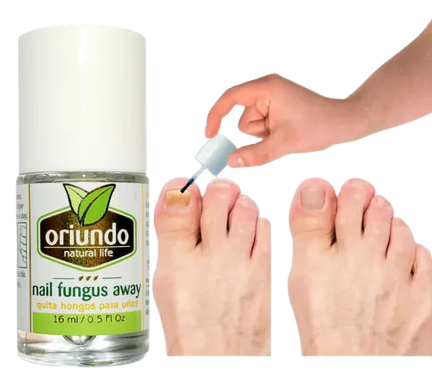
Oriundo Nail Fungus Away is an advanced toenail fungus treatment formulated with clinically proven antifungal agents. Its dual-action formula penetrates deep into the nail matrix to inhibit fungal growth and restore nail integrity.
Application instructions
- Clean and dry the affected nail thoroughly.
- File the nail surface gently to remove excess debris.
- Apply a thin layer of Oriundo Nail Fungus Away to the entire nail and surrounding skin once daily.
- Allow the solution to dry completely before covering with socks or footwear.
Continue treatment for at least 12 weeks, even if visible improvement occurs sooner.
Expected results
- Noticeable reduction in discoloration within 4 to 6 weeks
- Gradual regrowth of clear nail tissue over 3 to 6 months
- Restored nail thickness and shape with consistent use
For comprehensive guidance on topical options, explore our antifungal nail treatment resources.
Preventing future infections
To avoid recurrence, adopt these preventive measures:
- Wear breathable, moisture-wicking socks and shoes
- Disinfect nail tools after each use
- Rotate footwear to allow complete drying
- Avoid walking barefoot in communal areas
- Keep your feet clean and dry, especially between toes
If you develop fungal issues on your hands, consult our fingernail fungus treatment article for tailored advice.
Frequently asked questions
- How long does severe toenail fungus treatment take?
It depends on the method. Oral medications may clear infection within 3 to 6 months, but full nail regrowth can take up to a year. Topical solutions require daily use for at least 12 weeks. - Can I use over-the-counter treatments alone?
Mild cases may respond to OTC antifungal lacquers, but severe infections often need prescription therapies or advanced products like Oriundo Nail Fungus Away for reliable results. - Is laser therapy safe for all patients?
Laser treatment is generally safe, but you should discuss potential risks and benefits with a qualified provider. It may not be covered by insurance and multiple sessions are usually required. - What should I do if I have recurring infections?
Recurrences may signal underlying health issues or lapses in hygiene. Maintain preventive routines, replace old socks and shoes, and consider systemic therapy under medical supervision. - Are there side effects of antifungal medications?
Oral antifungals can affect liver function and cause gastrointestinal upset. Topical treatments carry lower risk but may irritate sensitive skin. Always follow professional guidance and report any adverse reactions.