
Hair Product
How do I control oily scalp naturally?
Jan
Understanding oily scalp
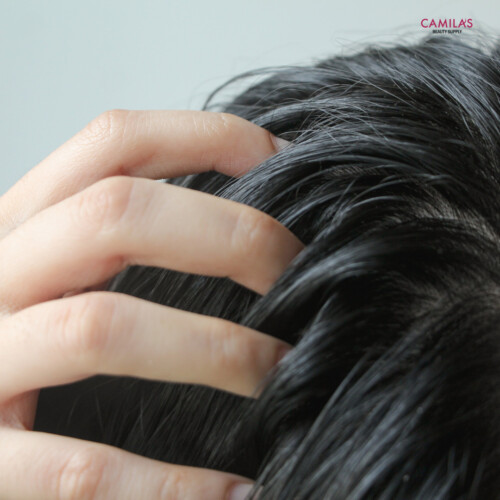
Your scalp naturally produces sebum to protect hair and skin. But when sebum production runs high, your roots look greasy, flat, and feel heavy. In a humid city like Miami, humidity can amplify oiliness, and you may find yourself reaching for a clarification wash more often than you’d like. A targeted shampoo for oily hair helps, but you can also curb oil naturally by tuning into your routine and lifestyle.
What causes oily scalp
Sebum is made by oil glands around each hair follicle. Hormonal shifts, genetics, heat, and humidity can trigger glands to go into overdrive. When oil builds up, it attracts sweat, dirt, and styling products, leaving hair limp and lifeless.
How oil production works
Every scalp has a balance point—too little sebum means dryness, too much leaves a greasy film. Your goal is to reset that balance by gently removing excess oils without stripping the scalp. Overwashing or harsh cleansers can backfire, spurring glands to produce even more sebum.
Choose the right shampoo
Using a clarifying formula once or twice a week resets oil buildup. Look for products labeled “clarifying” or “balancing” and follow up with a lightweight conditioner on your ends.
Look for clarifying formulas
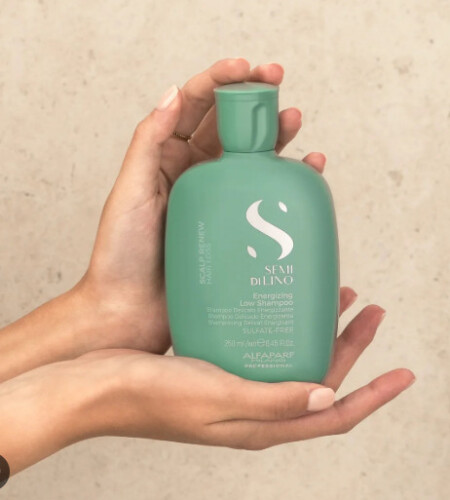
- Sulfate-free cleansers: they lift oil without harsh stripping
- pH-balanced blends: they support your scalp’s natural barrier
- Gentle foaming action: ensures even distribution and rinse
Key ingredients to seek
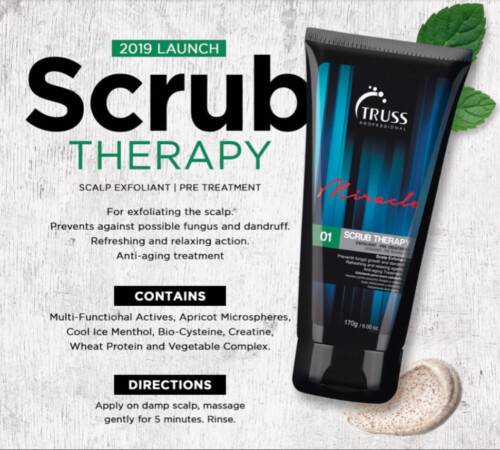
- Tea tree oil: naturally antiseptic, so it regulates sebum
- Salicylic acid: exfoliates scalp buildup, keeping pores clear
- Charcoal or clay: draws out impurities and excess oil
- Niacinamide: strengthens moisture barrier and soothes irritation
For an eco-friendly option, try a natural shampoo with botanical cleansers. To pair your oil-control wash with the perfect follow-up, explore our guide to the best shampoo and conditioner for hair. If you prefer a complete system, check out leading options in our best shampoo and conditioner brand roundup.
Incorporate natural remedies
Natural treatments can complement your daily wash and keep oil levels in check between shampoos.
Clay and aloe vera mask
- Mix bentonite clay with aloe vera gel into a smooth paste
- Apply to damp scalp and massage gently
- Leave on for 10 minutes, then rinse thoroughly
Clay absorbs excess oil, while aloe vera soothes and hydrates without weight.
Apple cider vinegar rinse
- Dilute 1–2 tablespoons of apple cider vinegar in a cup of water
- After shampooing, pour over your scalp and hair, then skip conditioner or apply lightly on ends
- Rinse after 1–2 minutes to restore pH balance and reduce grease
Adjust your routine
Small tweaks in how and when you wash can make a big difference in oil control.
Wash frequency
- Start by shampooing every other day
- If oil returns too quickly, try adding a midday dry shampoo or water-only rinse
- On nonwash days, avoid touching roots to prevent oil transfer
Shampoo then conditioner
Always shampoo first to lift oil, then apply conditioner only on mid-lengths and ends. Learn more about whether to use conditioner or shampoo first to maximize both cleansing and hydration.
Factor in your lifestyle
Diet, hydration, and stress levels all influence scalp oiliness.
Hydration and diet-How do I control oily scalp naturally?
- Drink plenty of water to flush toxins and balance oil
- Include omega-3–rich foods like salmon, chia seeds, and walnuts to support scalp health
- Limit high-glycemic foods and dairy, which can aggravate sebum production
Stress management
Chronic stress spikes cortisol, which can kick oil glands into overdrive. Build in daily stress relief—yoga, meditation, or a beach walk—to keep your hormones and sebum in check.
Frequently asked questions
How often should you wash oily hair?
Aim for every other day with a gentle clarifying shampoo. If oil returns by evening, use a water rinse or dry shampoo between washes.
Can you use conditioner on oily scalp?
Skip conditioner at the roots. Apply a lightweight formula only from mid-lengths to ends to avoid weighing down your hair.
What natural ingredients help oily scalp?
Tea tree oil, bentonite clay, apple cider vinegar, and aloe vera all help regulate sebum and maintain scalp balance.
Does dry shampoo work for oily scalp?
Yes, a quick spritz at roots soaks up oil and adds lift. Use it sparingly to avoid residue buildup.
When should you see a dermatologist?
If oiliness is paired with itching, flaking, or inflammation, a dermatologist can rule out conditions like seborrheic dermatitis and recommend medicated treatments.