
Hair Product
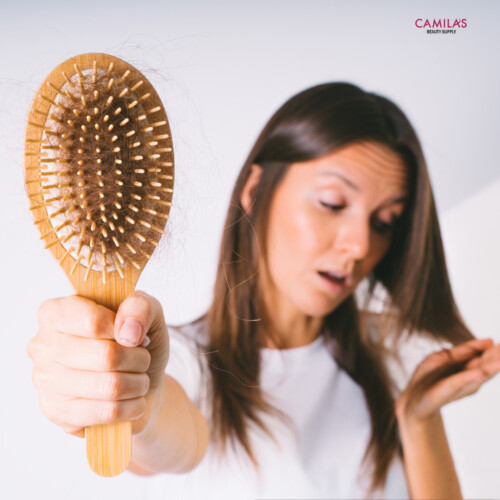
Why is my hair falling out and getting thinner?
Feb
Understanding hair loss
Hair loss causes in women can feel overwhelming, but understanding what’s happening beneath the surface helps you take control. Your hair grows in cycles—anagen (growth), catagen (transition), and telogen (resting). When a higher percentage of follicles enter the telogen phase, you notice more shedding and visible thinning. By recognizing your pattern of female hair thinning and the phases of hair regrowth, you’ll be better equipped to address the root issues.
Common hair loss factors
Hormonal changes
Fluctuations in hormones often trigger thinning hair. Estrogen and progesterone keep strands in the growth phase longer, so when levels drop, more hair shifts into shedding.
Thyroid imbalance
An underactive or overactive thyroid can disrupt your hair cycle. For more details, see medical causes of hair loss.
Pregnancy and menopause
Postpartum shedding and menopause both involve rapid hormone shifts that can lead to temporary or prolonged thinning.
Nutritional deficiencies
Your diet directly affects follicle health. Missing key nutrients can stall growth and accelerate shedding.
Iron deficiency
Low iron impairs oxygen delivery to follicles, causing diffuse thinning. Learn more at hair loss deficiency.
Biotin deficiency
Biotin supports keratin production. A lack of this B vitamin can weaken strands and slow regrowth. Consider hair thinning vitamins if you suspect a shortfall.
Medical conditions
Underlying illnesses may manifest first as hair loss. Identifying them early helps you treat both the root cause and the symptom.
Autoimmune hair loss
Conditions like alopecia areata make your body attack its own follicles. For an in-depth look, visit autoimmune hair loss.
Scalp infections
Fungal or bacterial infections irritate the scalp and disrupt growth. Keep an eye out for redness, itching, or flaking.
Lifestyle triggers
Daily habits can either support or harm your hair’s health. Spotting harmful patterns is key to halting further loss.
Stress and hair shedding
High stress levels push follicles into the telogen phase prematurely, leading to notable shedding weeks later.
Styling damage
Excessive heat, tight ponytails, and harsh chemicals create breakage and traction alopecia. Avoid these hair thinning mistakes to preserve strand strength.
Diagnosing your hair loss
When to see a doctor
If you’re losing more than 100 strands per day or notice patchy bald spots, book a consultation. Early diagnosis delivers better outcomes.
Tests and evaluations
Expect blood work to check thyroid function, iron levels, and hormone panels. Your dermatologist may perform a scalp biopsy or pull test to pinpoint the type of hair loss, as outlined in causes of thinning hair.
Treating thinning hair
Shampoo and conditioner options
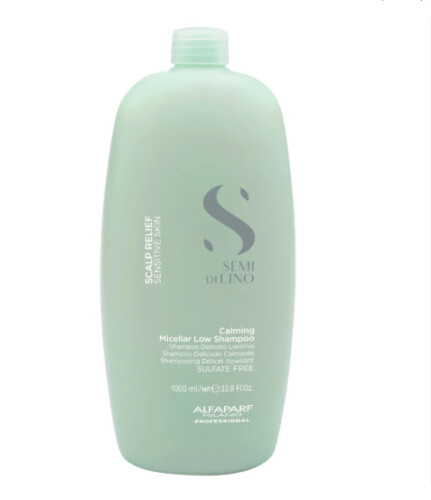
Choosing the right wash routine primes your scalp for regrowth. Consider these salon brands and link to best shampoo for hair loss for top picks:
- Salerm: A balanced shampoo and fortifying conditioner that cleanse without stripping natural oils
- Alfaparf Milano: Nutrient-rich formulas that boost moisture and elasticity
- Truss Professional: Repair line designed to strengthen weakened strands
- Salon in Recamier: Volumizing system that lifts roots and adds body
- Tree Liss: Smooth keratin-based treatment that reduces breakage
Pair these with proper washing thinning hair techniques—gentle massage, lukewarm water, and minimal friction.
At-home remedies
Supporting your scalp and follicles from home can accelerate visible results:
- Scalp massage with best oil for hair growth to boost circulation
- Balanced diet rich in protein, iron, zinc, and vitamin D
- Supplements such as vitamins for hair loss and hair thinning vitamins
- Natural treatments like aloe vera gel and rice water rinse under natural hair thinning treatment
Medical treatments
For moderate to severe cases, explore clinician-led options:
- Topical minoxidil or oral finasteride to slow shedding and stimulate growth
- Platelet-rich plasma (PRP) therapy to reinvigorate dormant follicles
- Low-level laser therapy for increased cellular activity
Talk to your provider about a personalized plan to stop hair loss.
Preventing further hair loss
Healthy hair habits
Adopt routines that shield your strands:
- Wash no more than three times per week using gentle formulas
- Sleep on a silk pillowcase to reduce friction
- Avoid tight hairstyles and chemical treatments
See more tips at prevent thinning hair.
Proactive solutions
Stay ahead of shedding with targeted strategies:
- Rotate in hair thickening solutions to maintain volume
- Schedule regular trims to remove split ends
- Minimize heat styling and opt for protective styles
For daily routines, check out our thinning hair remedies.
Frequently asked questions- Why is my hair falling out
- Why is my hair falling out and getting thinner?
Multiple factors—hormonal shifts, nutrient gaps, medical conditions, or styling damage—can push more follicles into the resting phase. - Can hair grow back after thinning?
Yes, especially when you identify and address the root cause promptly. Treatments like minoxidil, PRP, or lifestyle changes can restore density over months. - What vitamins help hair loss?
Iron, biotin, vitamin D, and zinc play key roles. Consider targeted supplements like vitamins for hair loss after checking your levels.