
Nail Supply
When should I see a doctor for nail fungus treatment?

Mar
Understanding nail fungus
Nail fungus, medically known as onychomycosis, is a common condition affecting your fingernails or toenails. You may notice discoloration, thickening, or crumbling edges. Early recognition of these changes helps you seek timely nail fungus treatment and prevent the infection from spreading to other nails or skin.
Identifying symptoms
Familiarize yourself with key signs of nail fungus:
- Nail discoloration, often yellow, brown or white
- Thickened or distorted nail shape
- Brittle, crumbly or ragged edges
- Separation of the nail from the nail bed
- Mild pain or discomfort when pressure is applied
If you observe multiple symptoms or they worsen over weeks, consider professional evaluation.
Considering home remedies
Mild cases of nail fungus may improve with diligent self-care. You can:
- Keep nails trimmed, filed and clean
- Wear breathable socks and shoes
- Dry feet thoroughly after bathing
- Apply over-the-counter antifungal creams
For guidance on products and step-by-step protocols, see our nail fungus treatment overview. If you treat your nails at home but see no improvement after six weeks, it’s time to explore medical options.
Consulting a doctor
You should consult a healthcare professional when:
- Symptoms persist or worsen despite home care
- You experience pain, redness or swelling around the nail
- You have diabetes, circulatory issues or a weakened immune system
- Multiple nails show signs of infection
- You seek confirmation before starting prescription therapy
Your clinician can confirm onychomycosis through a physical exam or laboratory testing of nail clippings.
Exploring medical treatments
When you see a doctor for nail fungus treatment, they may recommend one or both of the following approaches.
Oral antifungal medications
- Terbinafine or itraconazole courses often span 6 to 12 weeks
- These pills reach the infection through your bloodstream
- Regular blood tests may be required to monitor liver function
Topical prescription treatments
- Ciclopirox lacquer or efinaconazole solution applied daily
- May require months of consistent use for full effect
- Fewer systemic side effects compared to oral drugs
Your doctor will tailor therapy based on infection severity, nail type (see toenail fungus treatment or fingernail fungus treatment), and your overall health.
Using Oriundo Nail Fungus Away
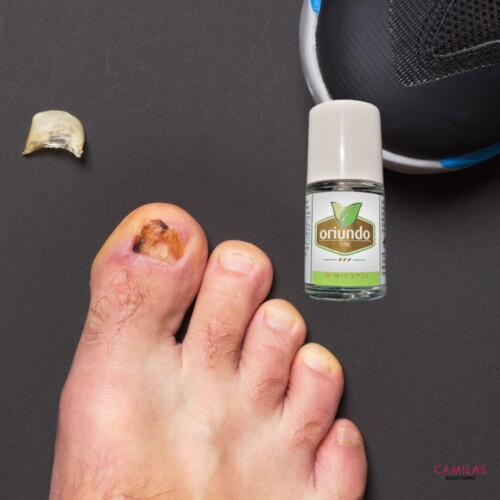
We recommend Oriundo Nail Fungus Away as an additional option to support your treatment plan. This antifungal nail treatment:
- Penetrates deep into the nail plate
- Inhibits fungal growth with powerful active ingredients
- Allows you to continue daily activities without discomfort
Integrate Oriundo Nail Fungus Away after consulting your healthcare provider to maximize results alongside prescription therapies.
Preventing recurrence
After successful treatment, adopt these measures to reduce the risk of reinfection:
Nail care tips
- Trim nails straight across and file edges gently
- Disinfect clippers and files after each use
- Alternate shoes to allow them to air out
Lifestyle adjustments
- Choose moisture-wicking socks and breathable footwear
- Wear protective gloves in damp environments
- Avoid walking barefoot in communal areas like locker rooms
By maintaining hygiene and using antifungal sprays for shoes, you lower the chance of fungus returning.
Frequently asked questions
- When should I see a doctor for nail fungus?
If home remedies fail after six weeks, you develop pain or if you have risk factors such as diabetes or immune compromise. - Can nail fungus resolve on its own?
Mild cases may improve with strict hygiene, but many require targeted treatment to clear the infection fully. - How long does prescription therapy take?
Oral medications usually run 6 to 12 weeks, while topical solutions may require up to 48 weeks of daily use. - Is it safe to use Oriundo Nail Fungus Away with prescription drugs?
Yes, Oriundo is formulated for compatibility with most antifungal regimens, but discuss your full treatment plan with your doctor. - What should I do if my nail fungus returns?
Return to your healthcare provider for reassessment. A combination of oral therapy, topical prescription and preventive care often succeeds where single methods fail.